Long-Ride Cycling Guide: Preparation & Essential Tips for Beginners
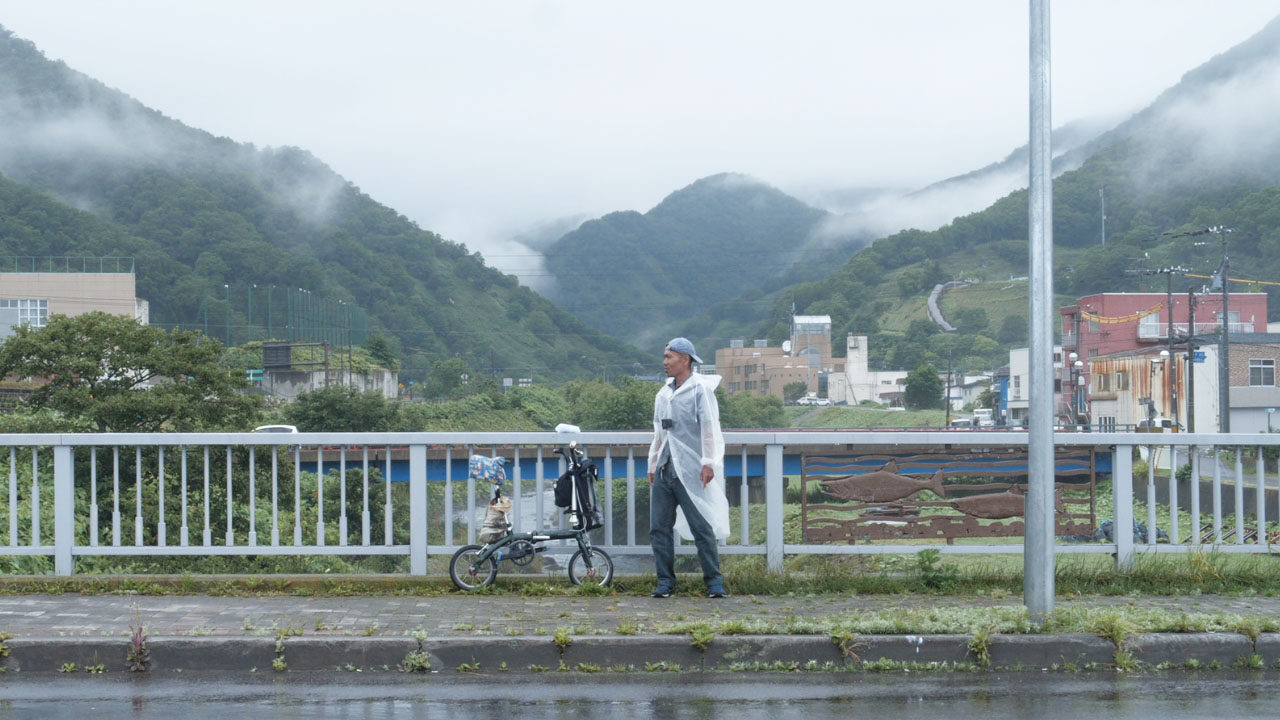
"I bought a good bicycle... let's go a bit further to see what it can do."
For beginners in cycling who feel this way, we will explain in detail the tips and secrets of long-distance travel and long rides.
What Defines a "Long Ride"? (The 100km / 62-mile Benchmark)
120km, 150km, 200km? The definition of a bicycle long ride varies widely. However, due to its nice round number and ease of evaluating stamina and planning, 100km (62 miles) serves as an excellent standard.
Admittedly, in the US and UK, 100km translates to a somewhat awkward number in miles. Conversely, attempting a "century ride" (100 miles / 160.9km) right away is actually incredibly difficult for beginners.
A long ride of about 100km (62 miles) does not require special techniques or abnormal athletic ability. You can easily complete it using a standard city bike (mama-chari), an electric-assist E-bike, a cross bike, a road bike, a mini-velo, or a mountain bike (MTB).
Based on my personal experiences completing epic routes like the circuit of the Kii Peninsula and the vast Hokkaido cycling loop, I will introduce unique and essential points to comfortably enjoy long-distance bicycle rides and touring.
Road Bikes Are Not Always the Right Answer
The assumption that "Long-Distance Cycling = Road Bike" is widely accepted, but it is actually incorrect.
For high-speed, day-trip cycling, road bikes are powerful tools. However, these lightweight, high-speed sports bicycles do not perfectly match long-duration, multi-day touring.
The structural geometry of a road bike is tailored to maintaining a deep, forward-leaning posture to ride fast. This inevitably places a significant burden on the legs, lower back, and neck. In extreme terms, road bikes are simply not vehicles designed for leisurely riding while soaking in the panoramic scenery.
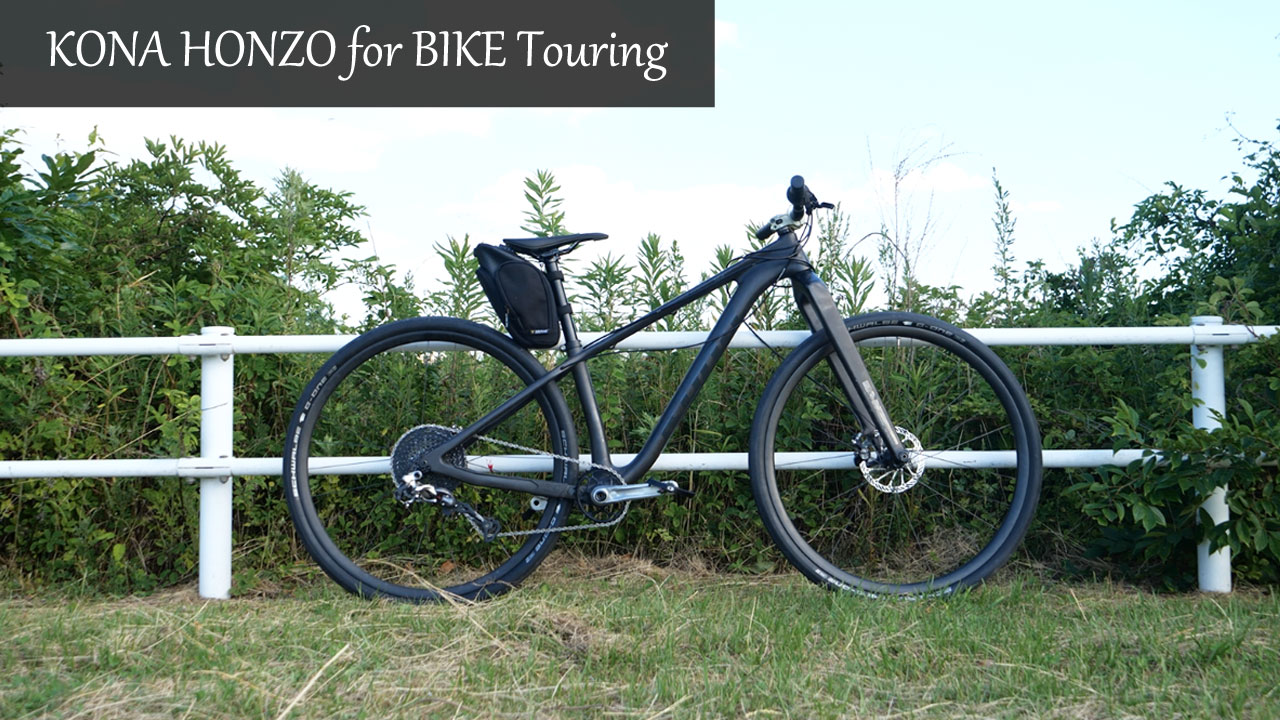
One definitive answer I have derived from past experience is the choice of "a hardtail MTB (or cross bike) equipped with lightweight wheels."
The ride quality is exceptionally comfortable, the straight-line stability is superb, and it is very easy to secure a wide field of vision.
Reduced Fatigue Born from "Multi-Positioning"
The most powerful piece of equipment for long-distance touring is the "Dropper Seatpost." Operating just like an office chair, a lever by the handlebars allows the saddle height to be adjusted steplessly while riding.
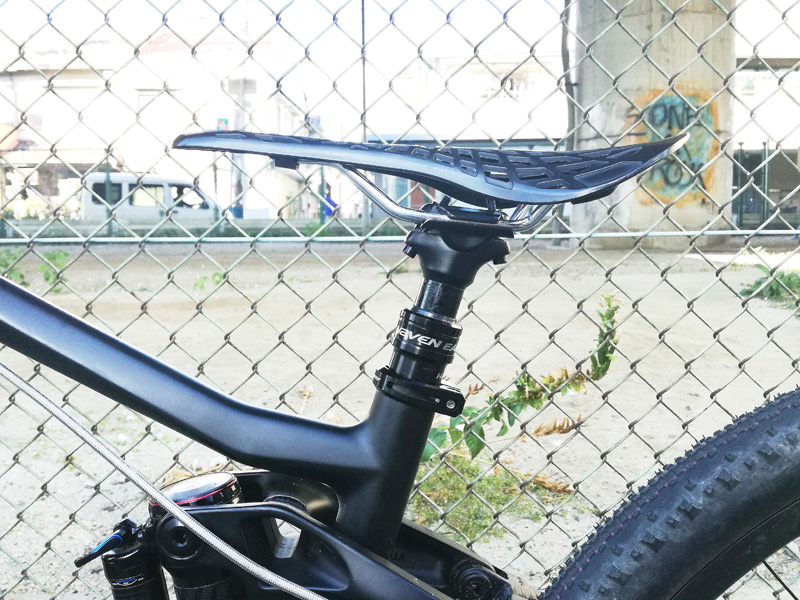
This mechanism originally spread as standard equipment on modern MTBs.
While drop handlebars disperse hand fatigue by allowing you to change where you grip (multi-grip), a dropper seatpost disperses the stress on your lower back and buttocks by allowing you to change how you sit (multi-position).
This variable mechanism exerts massive power in mitigating fatigue during multi-day touring. Introducing it even to a road or touring bike is a highly viable option. In fact, the usefulness of the dropper seatpost is rapidly spreading to gravel bikes and adventure bikes alike.
The Greatest Enemy: The Battle Against Saddle Pain
Long Ride = Long-duration riding in the saddle. The stress caused by continuous pressure and friction on your buttocks is staggering. Furthermore, sports bike saddles are generally constructed to be tight and firm.
Idea for Emergency First Aid:
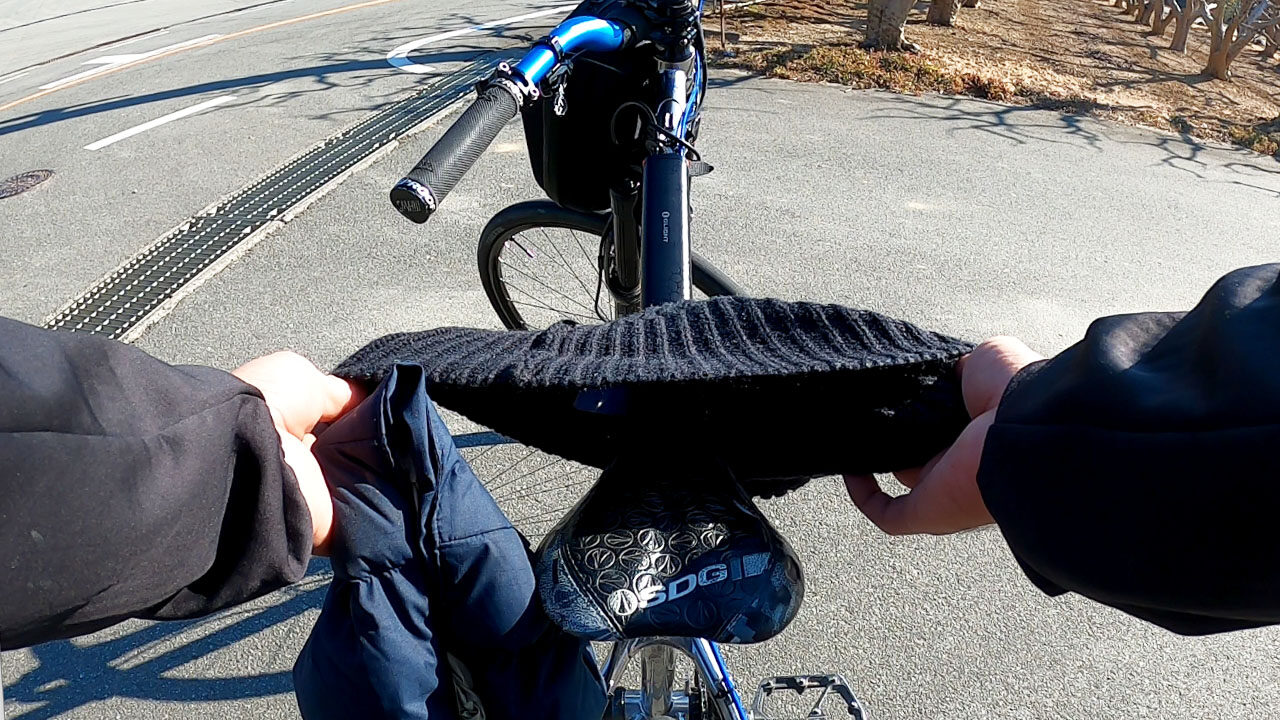
During a particularly grueling touring trip in the past, unable to endure the blistering saddle pain any longer, I resorted to an extreme measure: wrapping a knit beanie and the detached hood of my down vest around the saddle to create an improvised cover.It looks absolutely atrocious, but the cushioning provided by the down material reliably mitigates the brutal stress on the buttocks.
Because cheap gel-filled saddle covers carry the risk of tearing and leaking sticky gel midway through a ride, DIY improvisation using spare clothing or cushions is a splendid survival tactic.
The Often Underestimated Importance of "Securing Field of Vision"
In touring, speed and lap times are secondary. Cycling is not a sport or a race; it is an outdoor activity.
Comfort, the absence of stress, and the elimination of anxiety are paramount.
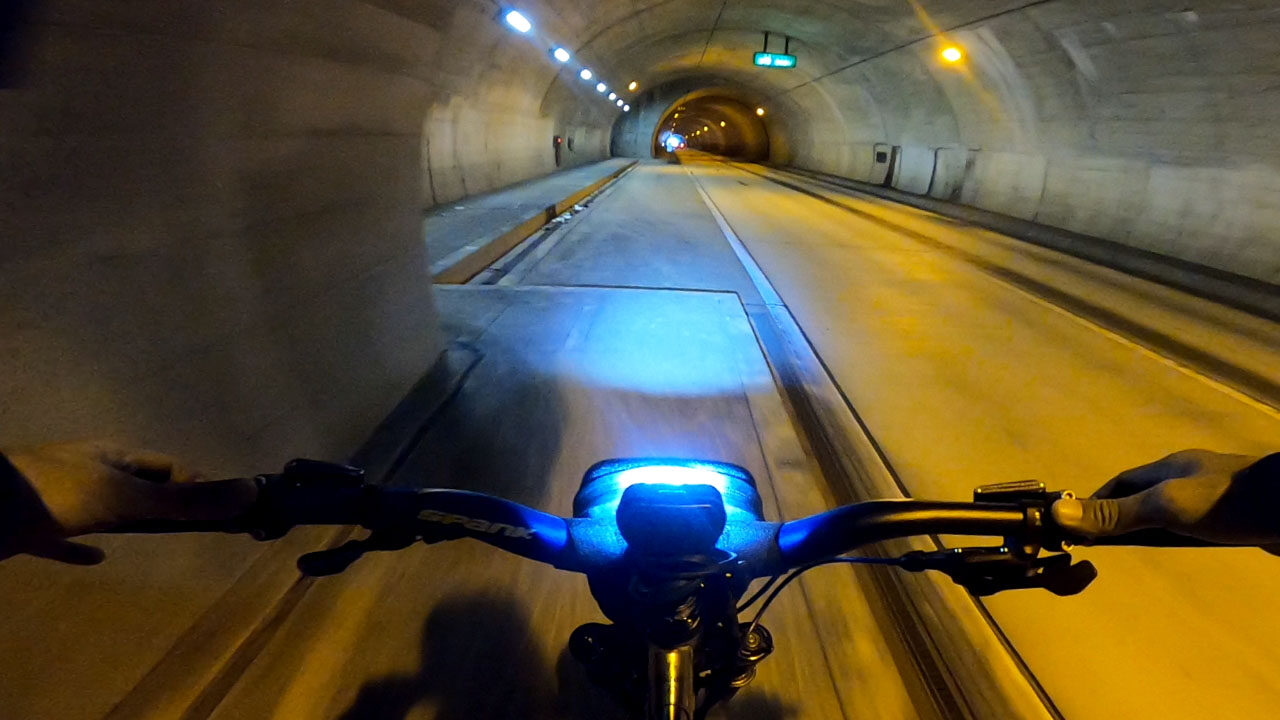
With a deep, forward-leaning posture like that of a road bike, the 2nd and 3rd days become dangerous. Particularly at night or in the gloom of a tunnel, a narrowed field of vision creates major risks.
Potholes, abrupt steps, vehicle barriers, and chains cause devastating falls and snake-bite punctures. From the perspective of ensuring safety, a bicycle type that guarantees an upright, wide field of vision along with position-adjusting capabilities is highly required.
Planning and Priority Rules
The true essence of bicycle touring lies in the outdoors (self-sufficiency). "Being able to get back under your own power" is the most crucial part. The table below summarizes the survival rules that should be given absolute priority.
| Priority Level | Element | Detailed Explanation |
|---|---|---|
| Priority 1 (Absolute) | Returning Safely Alone | In preparation for major failures, always bring a Rinko Bag (a bicycle transport bag for trains) and secure a robust way to escape the route. |
| Priority 2 | Relaxed Schedule | A schedule utilizing roughly 80% of your maximum physical capacity is correct. A tight schedule will collapse over just a single problem. |
| Priority 3 | Protecting the Saddle (Buttocks) | Once you can no longer endure the pain, your willpower to ride evaporates directly. Focus heavily on comfortable saddle and position choices. |
| Priority 4 | Securing a Wide Field of Vision | To prevent catastrophic accidents when fatigued or riding at dusk, consciously adopt a posture that continually maintains a high line of sight. |
| Priority 5 | Bicycle Type & Gear | The speed and lightness of a bicycle only become truly beneficial *after* basic safety and comfort are firmly guaranteed. |
If you use up all your physical strength to the absolute limit in a single touring trip, your motivation to ride again afterwards will severely wane.
Returning home with enough residual energy to feel, "That was maybe a little bit not enough," is the biggest trick to enjoying bicycle travel for a very long time.
Q&A: Frequently Asked Questions
Q: What distance is considered a benchmark for a "long ride"?
A: For simplicity and ease of planning, a distance of 100km (62 miles) in one day or one way is recommended as a standard. It is achievable with safe pacing even without special skills.
Q: Is a road bike strictly necessary for long-distance touring?
A: It is not absolutely required. While road bikes excel in speed, for touring where comfort over many hours is key, a mountain bike (hardtail), cross bike, or even an equipped city bike provides a wider field of vision and a more upright posture, which is often more advantageous.
Q: What is the top priority when planning a touring trip?
A: The very highest priority is "returning home safely under your own power." The secret to continued enjoyment is not to build a grueling itinerary that pushes you to the limit, but instead a schedule that requires only about 80% of your maximum physical capacity. Always carry emergency backup equipment such as a Rinko bag (train bag).