Nagano Cycling Trip: Osaka Transportation Guide & Best MTB Spots
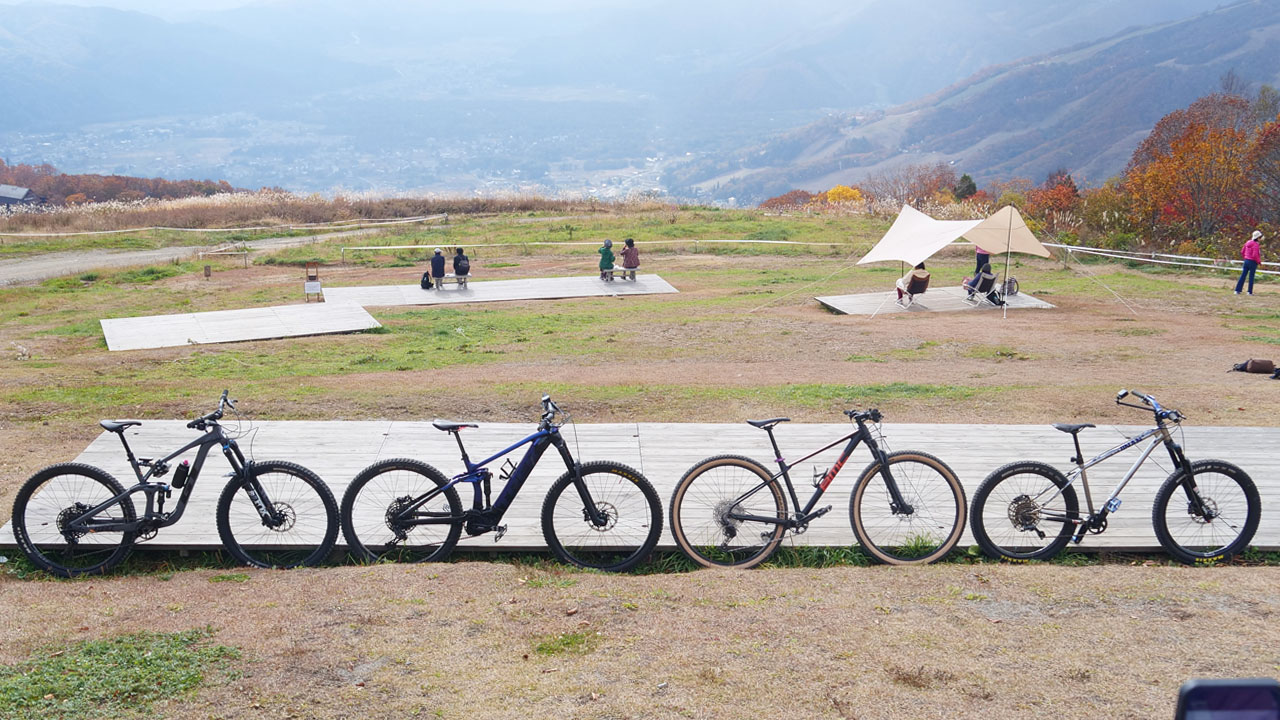
Yamanashi and Nagano prefectures are famous for skiing, but they're equally renowned for cycling. The region boasts numerous mountain bike trails with gondola access and dedicated MTB parks—some of the best in Japan.
While the Kansai region has only one gondola-equipped MTB slope (Kanna-be), it offers just short courses that lack real challenge. That's why I decided on a Nagano cycling expedition after a year-long break.
The setup: Meet-up-and-disband format, rain or shine. Most participants drive; I'm car-free by choice—highway buses are torture for someone who gets motion sick in under 15 minutes. Better to be hit than ride, honestly.
Here's my comparison of budget-friendly ways to reach Nagano from Osaka, plus recommendations for cycling spots throughout the prefecture.
Trip Overview: 2 Nights, 3 Days
📅 Trip Details
- Duration: 2 nights, 3 days
- Fixed plan: Ride at Hakuba Iwatake Mountain Resort on October 28th
- Everything else: Free style
- Period: Late October 2023 (last MTB season)
🚴 Itinerary
- Day 1 (Oct 26): Train + Fujimi ride
- Day 2 (Oct 27): Self-supported cycling transfer
- Day 3 (Oct 28): Hakuba + return train
Car-driving participants arrive late night/early morning and sleep in their vehicles. I'll take the early train to enjoy Fujimi Panorama and Matsumoto sightseeing first.
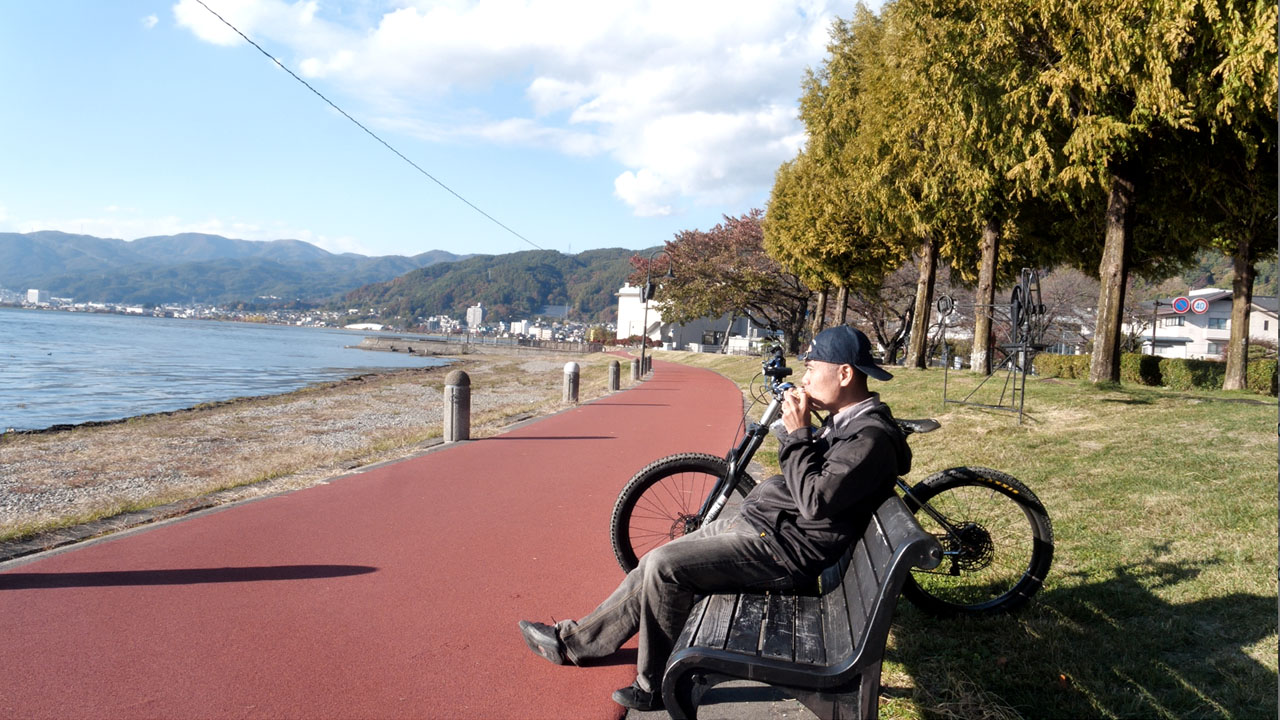
Timing matters: November brings winter conditions to most slopes. October's final weekend is the last real MTB season, often packed with races and riders.
Transportation: Car Route from Osaka
Nagano is far—perfectly positioned between too close and too distant. It takes longer than Hokkaido or Okinawa in some ways.
🚗 Driving Times (Participant Survey)
- Kyoto → Hakuba: 6 hours
- Shiga → Hakuba: 5.5 hours
- Osaka → Hakuba: 6.5 hours
- Gifu → Hakuba: 4 hours
Google Maps estimates: ~400km, 5 hours from Osaka (optimistic)
Route Challenges
The shortest route from Osaka passes through Nakatsugawa—a mountain road with tight curves and heavy traffic. From Tokyo, it's either Kofu (220km) or Takasaki (250km)—slightly shorter but equally congested.
All routes eventually merge toward Itoigawa on the Sea of Japan side, where trucks run constantly throughout the day.
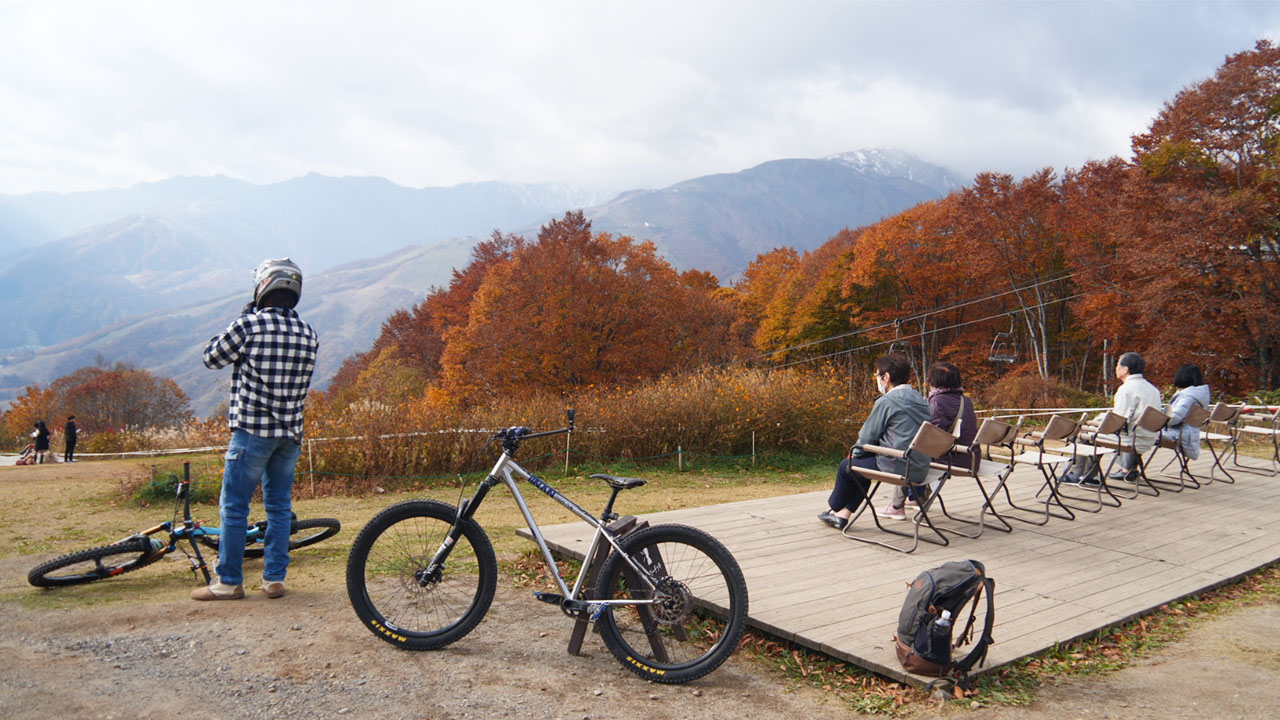
Since I get carsick after 15 minutes, long drives are permanently off my list. A 3-day self-supported bike trip sounds better—except the Japanese Alps block that option too. Climbing 2000m on an MTB? No thanks.
Result: Train with bike case it is. Not easy, but manageable.
Transportation: Train Route (Bike Case)
The train route shares Nagano's "perfectly distant" reputation. No single Shinkansen line reaches Hakuba or Fujimi—local transfers are mandatory.
🚆 Train Routes from Shin-Osaka
| Destination | Transfers | Time | Price (Free Seat) |
|---|---|---|---|
| Matsumoto | 1 | ~3h 15m | ¥10,010 |
| Fujimi | 2 | ~3h 40m | ¥10,560 |
| Hakuba | 2 | ~5h 20m | ¥11,110 |
Route breakdown: Shin-Osaka (Shinkansen) → Nagoya (Limited Express Shinasu) → Local transfer
💡 Pro Tips
- Matsumoto: ~3 hours (major hub, safest transfer)
- Fujimi: ~3h 40m (tight Shiojiri connection)
- Hakuba: ~5h 20m (long but reliable)
⚠️ Shiojiri transfer warning: Only 3 minutes to move between platforms with a bike. Stressful!
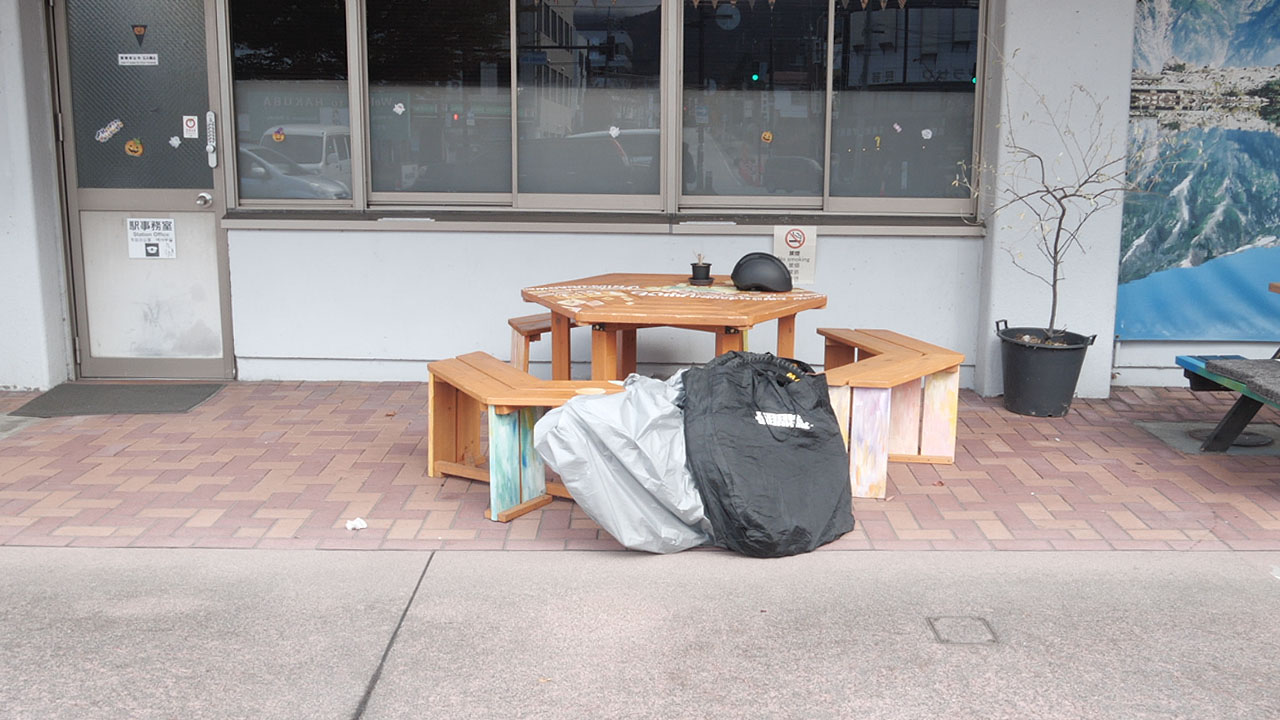
Route Comparison Details
I used route #2 outbound and #3 returning. Route #2 has a critical flaw: only 3 minutes transfer time at Shiojiri. Moving with a bike between platforms is stressful.
Route #3's 5+ hours means: Waiting around, plus Nozomi trains from Nagoya are usually full. Hikari runs empty but adds 15 minutes. Miss your connection? The next Hakuba train might be 3 hours away (12:00 → 15:00).
For comparison, a local-only trip takes 9h 56m with 6 transfers—longer than the famous Tokyo-Osaka Youth 18 Ticket route. Also, the Chuo Line shakes considerably.
Budget tip: Through tickets with free seats beat JR discounts and ticket shops in both price and simplicity.
Recommended Cycling Spots in Nagano
Nagano's crown jewel is its world-class MTB gondola slopes, but road cycling and casual riding options abound too.
Reality check: One participant—a road rider—headed to Mount Norikura the day after Iwatake and turned back due to icy road closures. October in the Alps is winter. Snow already visible on distant peaks? That's behind the Tateyama range.
Day two, I cycled leisurely from Shimosuwa to Hakuba—100km on MTB equals 150km cross-bike or 200km road bike. Harder than slope riding...
🚴 Distance Equivalents (Same Effort)
- MTB: 100 km
- Cross-bike: 150 km
- Road bike: 200 km
Terrain and resistance vary dramatically—adjust expectations accordingly.
Matsumoto Area
Matsumoto sits at Nagano's center—a major transit hub and tourist destination. Transferring here is simpler and safer than Shiojiri.
🏯 Highlights
- Historic castle: One of Japan's best-preserved original castles
- Hot springs: Multiple onsen districts nearby
- Photography: Autumn Matsumoto Castle is incredibly photogenic—you can admire it from outside the moat without entry fees
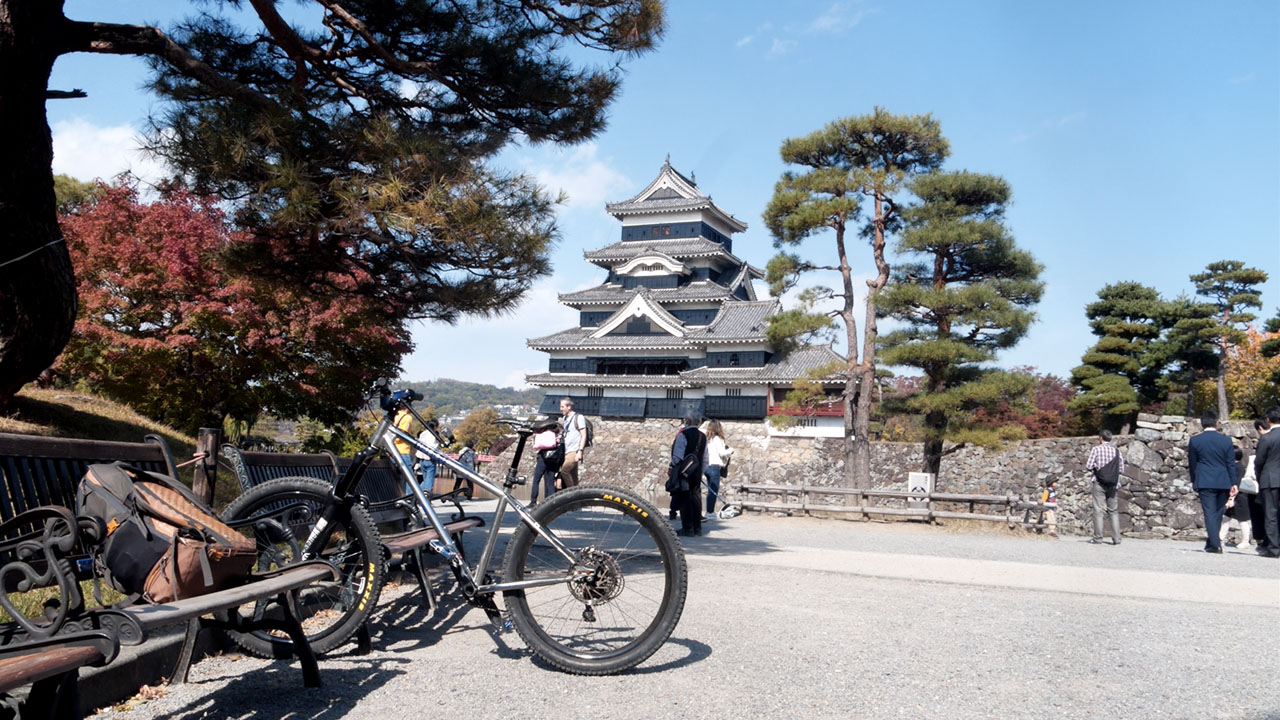
Day trip combo: Combine Matsumoto with Azumino for a full day—minimal elevation change between them. Perfect for road bikes or casual riders.
Suwa Lake Area
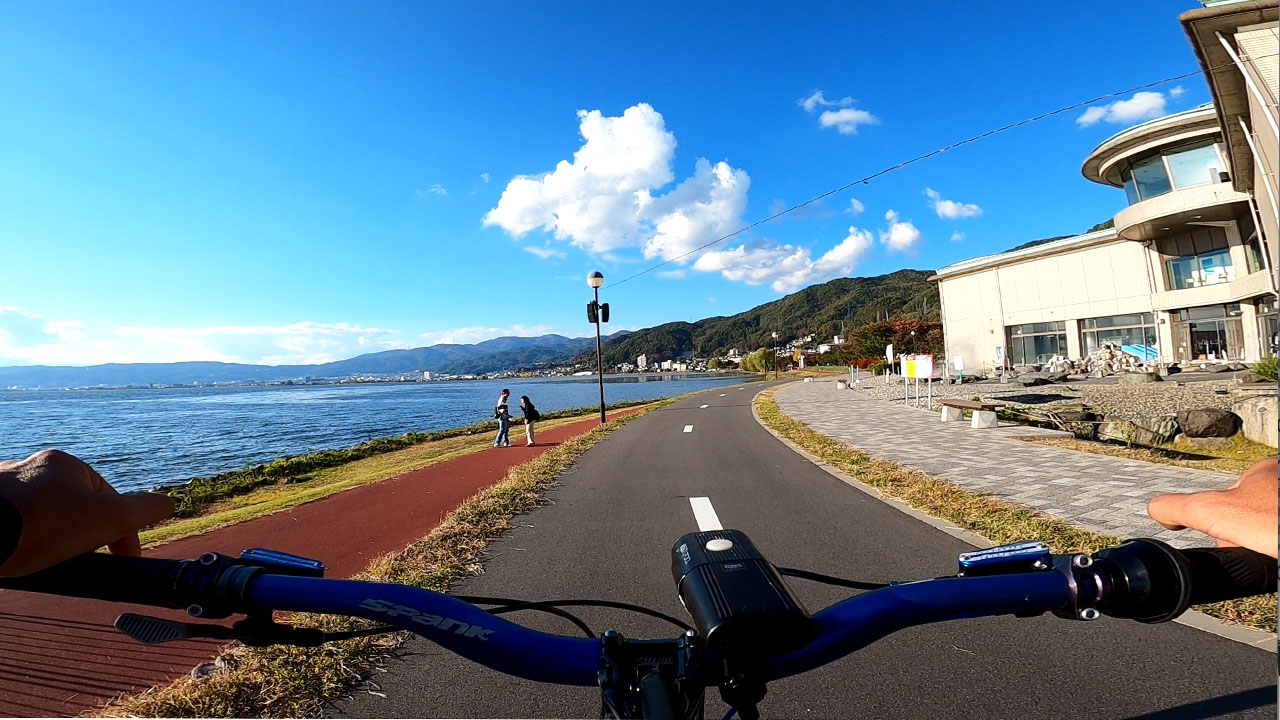
I cycled to Shimosuwa on day one to reduce day two's self-supported distance. 90km MTB is manageable; 100km+ is borderline impossible.
Budget accommodation strategy: Looking for cheap lodging, I stumbled upon this spot and found great bread plus scenery. Suwa's specialties: lake views + hot springs.
🚴 Suwa Lake Cycling Details
- Lake circumference: 16 km dedicated cycling path
- Terrain: Flat, paved, cyclist-friendly
- Best for: Recovery rides, families, casual cyclists
- Combo recommendation: Loop + onsen soak = perfect afternoon
Warning: The initial Nakasendo slope from Okaya toward Fujimi is brutal. Plan accordingly.
Shinano-Omachi to Hakuba Resort
The road from Fujimi to Suwa isn't cyclist-friendly: heavy truck traffic, multiple tunnels, narrow shoulders.
Better route: Matsumoto to Hakuba improves significantly—a faster cycling route passing Lake Kizaki and Aoki Lake.
Wind Challenge
Challenge: Wind direction. I faced north winds all day—cold Sea of Japan air. Combined with long gradual climbs, body temp dropped considerably.
🏔️ Hakuba Resort Highlights
- Boutique pensions: Stylish mountain accommodations
- Variety of slopes: Multiple gondola-accessed MTB trails
- Outdoor brands: Patagonia outlet, large Snow Peak shop
- Shopping: AEON BIG mall for supplies
🎉 Bonus: Everyone marveled at Snow Peak's free campfire and firewood service.
⚠️ Don't Descend Toward Itoigawa
Hakuba sits at Nagano's northern tip—Sea of Japan just 50km away via continuous downhill. Three hours to Niigata Prefecture!
But don't do it. Locals and cyclists universally say "don't go."
🚫 Why It's Dangerous
- Heavy traffic: Trucks and cars constantly
- Tunnel-heavy route: 1km+ stretches everywhere
- Hira-iwa to Kodaki section: Winding curves through long tunnels—dangerous for cyclists
This isn't a scenic coastal ride—it's a survival challenge.
🔄 Better Alternatives
- Itoigawa Shinkansen: Won't save time—train to Shin-Osaka takes ~3h 40m with 2 transfers
- Coastal route exists: But late October Sea of Japan lacks appeal...
Verdict: Not worth the risk. Stay in Nagano proper.
Nagano Cycling Trip Essentials
📋 Quick Reference
- ✓ MTB spots: 4-5 hours from Osaka
- ✓ Train cost: ~¥10,000 (express free seat)
- ✓ Urban riding: Matsumoto & Suwa recommended
- △ Hill climbs: Marginal by late October
- ✗ Itoigawa descent: Not recommended
💡 Key Recommendations
- Two nights minimum: One-night trips feel rushed. Two nights allows mountain trails, hill climbs, and town exploration.
- October timing: Last warm window before winter—autumn colors peak but crowds are heavy on weekends.
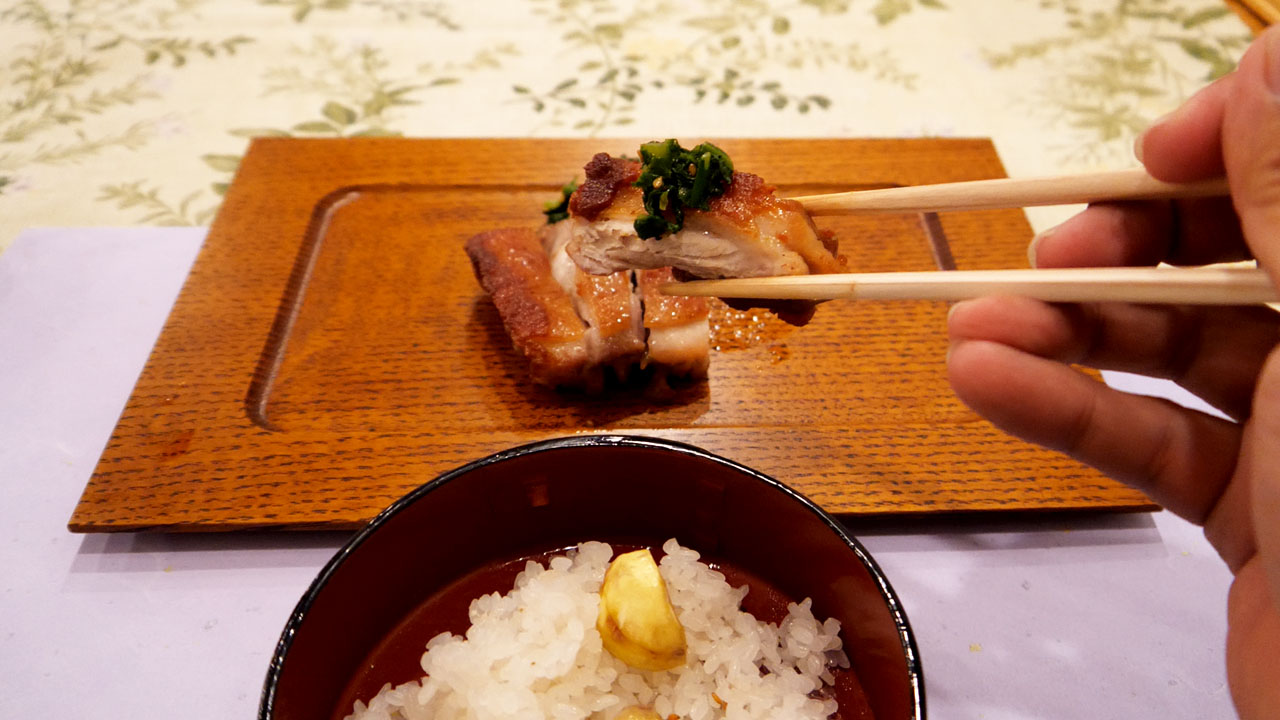
- Food highlights: Wild mushrooms + fresh soba noodles at their peak. My accommodation in Kotani Village served an incredible homemade local course ending with 100% buckwheat soba—beautiful presentation too.
Essential gear: Quality bike case for train travel
Frequently Asked Questions
What's the best time to visit Nagano for MTB?
October is ideal—the last warm window before winter conditions hit. Late October weekends are crowded with races but offer peak autumn scenery. November brings snow and closures.
Is train travel with a bike practical?
Yes, but plan carefully. Allow buffer time at transfers (especially Shiojiri's 3-minute connection). Book through tickets for simplicity. Expect ¥10,000-11,000 one-way from Osaka.
Can I cycle the entire trip self-supported?
From Osaka? Not recommended—Japanese Alps present 2000m+ climbs. Better to train-in and explore locally. Within Nagano, Matsumoto-Hakuba-Suwa loops work well (50-150km range).
Are there road cycling options beyond MTB?
Absolutely. Suwa Lake's 16km flat loop suits all levels. Matsumoto-Azumino corridor offers gentle terrain. Warning: October hill climbs face early winter conditions—check forecasts and be prepared for ice.