Is Japan Tired of Tourists? Understanding Social Friction in 2026
I am Japanese, born and raised. In 2026, Japan is seeing record-breaking numbers of international visitors. For many of us, this is a source of pride, but also growing exhaustion. This isn't just about "good" or "bad" manners; it's about a fundamental clash of social speeds and space perception.
To help you have a smoother journey, let's look at the unspoken "friction points" from the perspective of a local who sees the influx every day.
1. The "Small Space" Conflict
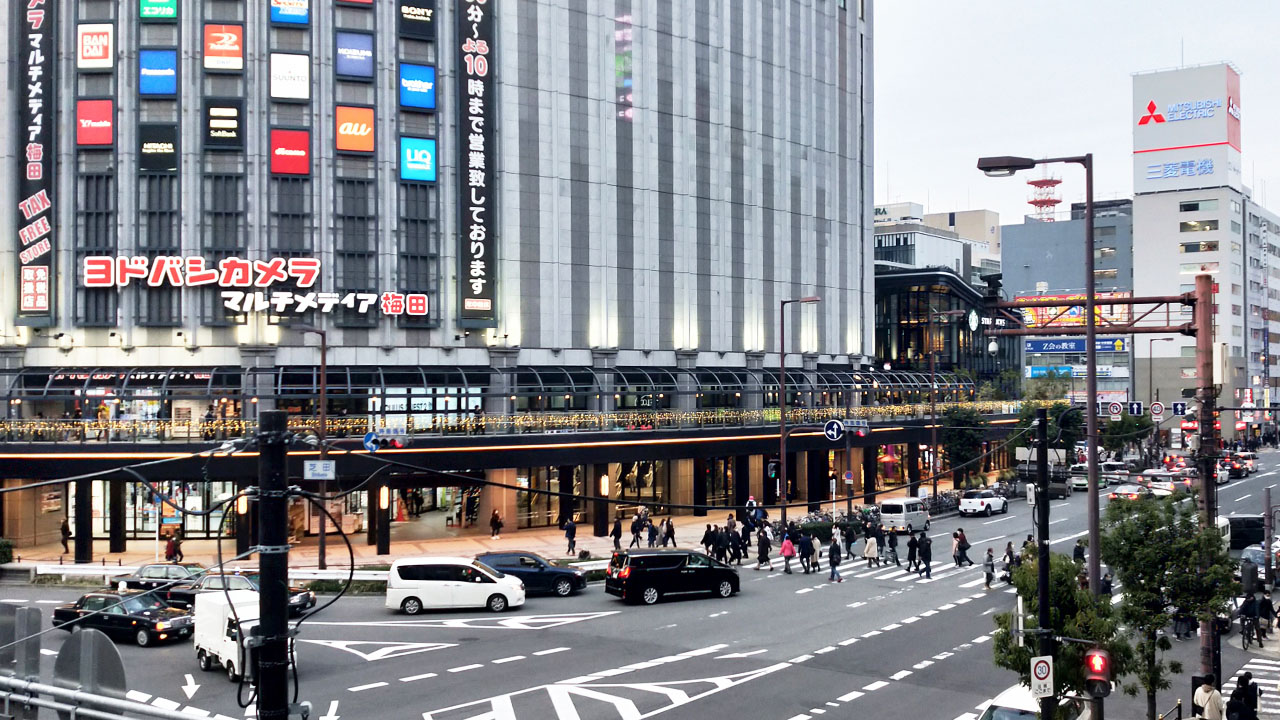
Japan is a country of extreme density. We have mastered the art of "fitting in" without touching. When tourists stop in the middle of a busy sidewalk in Umeda or Shinjuku to check Google Maps, it causes a ripple effect of annoyance for thousands of commuters.
Common Space is NOT a Lounge
In budget hotels or guesthouses, you might find an open lobby or hallway. In Western culture, it is normal to drink a beer and chat loudly here. In Japan, this is "Nai" (Not okay). Shared spaces in Japan are treated as transition zones. If you want to drink and talk, go to an Izakaya or do it quietly inside your room.
The Pro-Tip: Always pull over to a wall or corner before you stop. Treating a busy sidewalk like a park is the number one way to get "The Cold Stare."
2. The Language Wall
Don't be fooled by high-tech toilets; Japan's English proficiency remains low. Average shops, taxi drivers, and hotel staff outside major hubs will likely not understand you. French, German, or Spanish? Forget it.
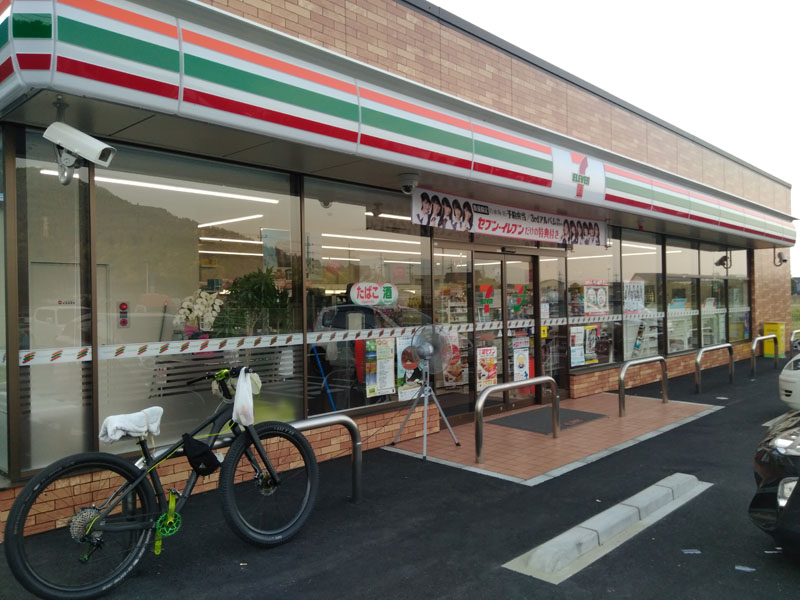
The "Konbini" Exception: You will notice many convenience store staff are from China, Vietnam, or Nepal. They are the backbone of Japan's labor force. While they speak Japanese well, they might have more patience with foreigners—but don't expect them to be your translators!
Multicultural Pockets
Japan is becoming more diverse. If you feel homesick for different flavors, visit the Chinatowns in Yokohama, Kobe, or Nagasaki, or the vibrant Koreatowns in Osaka (Tsuruhashi) and Tokyo (Shin-Okubo).
2. East vs. West: Tokyo's Rules vs. Osaka's Chaos
If you think Japan is a single culture, you will be surprised. The friction levels change as you move.
| Region | Social Vibe | Common Friction |
|---|---|---|
| Tokyo (East) | Strict, rule-abiding, silent. | Speaking on trains, walking on the wrong side of the escalator. |
| Osaka (West) | Outgoing, blunt, pragmatic. | Blocking the flow, failing to negotiate "priority" at a food stall. |
In Tokyo, if you break a rule, people will simply ignore you while being deeply annoyed (Tatemae). In Osaka, you might actually get a verbal "Move it!" or a direct look. Paradoxically, the Osaka bluntness can be easier for Westerners to understand than Tokyo's polite silence.
3. Urban Fatigue vs. Rural Stares
In 2026, over 3 million tourists visit Japan every month. Most stay in the "Golden Route" (Tokyo-Kyoto-Osaka).
- In Cities: Residents are suffering from "Over-tourism fatigue." Crowded buses meant for commuters are full of suitcases. Local restaurants are booked out for months. The annoyance here is about Resource Displacement.
- In Rural Areas: The population is aged. While they appreciate the money, the "Mura" (Village) culture is very insular. Disposing of trash in the wrong bin or making noise near a temple at night is seen as a direct violation of their sacred peace.
4. Why We Don't Say Anything
Historically, Japanese society is "High Context." We assume everyone knows the rules by reading the air (Kuuki wo yomu). When a foreigner breaks a rule, a Japanese person will often not correct them. Why? Because we avoid confrontation at all costs.
But in 2026, the silence is breaking. More residents are installing "No Foreigner" signs (legally controversial but rising) or charging "Two-tier pricing" (higher prices for tourists). This is a survival mechanism for a society that feels its identity is being diluted by numbers.
🥇 Top 5 Behaviors That Annoy Locals
1. Public Noise & "Lobby Bars"
Talking loudly on the train or treating hotel lobbies as open-air bars. Public spaces are for quiet transit, not socializing.
2. The Suitcase Scandal
A major news topic in 2024-2026: Tourists buying new, cheap suitcases and simply abandoning their old ones on the street or in hotel rooms. Disposing of large trash is expensive in Japan—leaving it behind is seen as a major insult to the host.
3. Tattoos (The Invisible Barrier)
Even if it is "fashion" to you, tattoos carry a heavy stigma in Japan, especially among the elderly (associated with organized crime). Many Onsen, gyms, and even some restaurants will still ban you. Cover up to avoid awkward confrontations.
4. Trash Management
Don't cram your coffee cups into tiny vending machine bins. Carry it home.
5. Photo-Intrusion
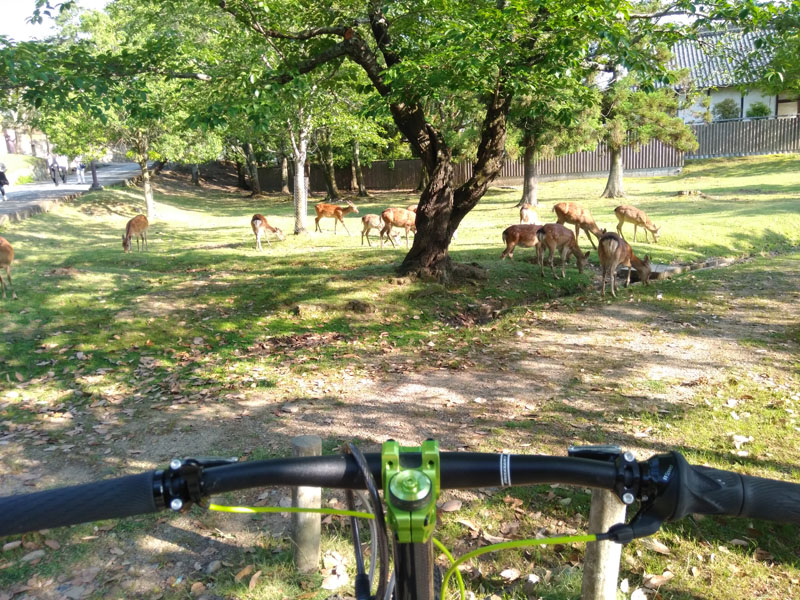
Entering private alleys or touching locals for photos is a fast-track to being reported to the police.
6. The "Washiki" (Squat Toilet) Disaster
In rural areas or older buildings, you will find floor-level squat toilets. Some tourists use them incorrectly or leave a mess. This is deeply loathed by owners. Critical Warning: Be extremely careful with your smartphone! If you drop it in a Washiki toilet, it's gone forever into the abyss. Keep it in a zipped pocket.
A Message from the Local
Japan isn't "anti-foreigner." We host over 3 million foreign residents and record numbers of tourists. We want you to enjoy our mountain passes and our food. But remember: your vacation is our daily life. A little awareness of the "air" goes a long way.