Japan Travel Cost Guide 2026: Budget Survival Tips for International Tourists
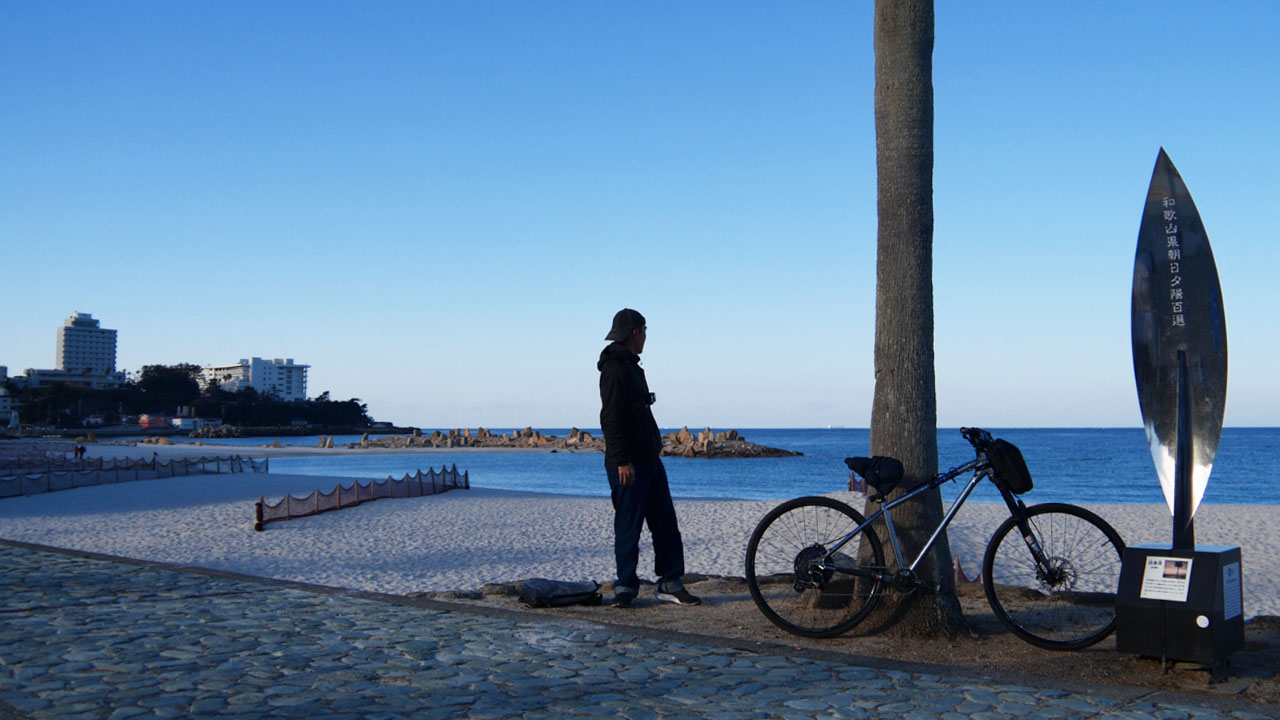
Scenic coastal routes in Wakayama offer world-class views at local prices.
Current Exchange Rates (April 2026)
For US and European travelers, 2026 is an incredible year to visit Japan. The Japanese Yen (JPY) continues to stay at historically low levels, giving Western currencies massive purchasing power.
Base Currency
JPY Exchange Rate
Value for 1,000 Yen
1 USD (Dollar)
160 JPY
$6.25
1 EUR (Euro)
187 JPY
€5.35
*Mid-market rates as of April 12, 2026.
Understanding Your Daily Budget
While global inflation has hit Japan, the weak Yen keeps prices extremely manageable for international cyclists. Here is a breakdown of what you can expect to pay for the essentials while on the road.
1. Food & Drink: The Cyclist's Fuel
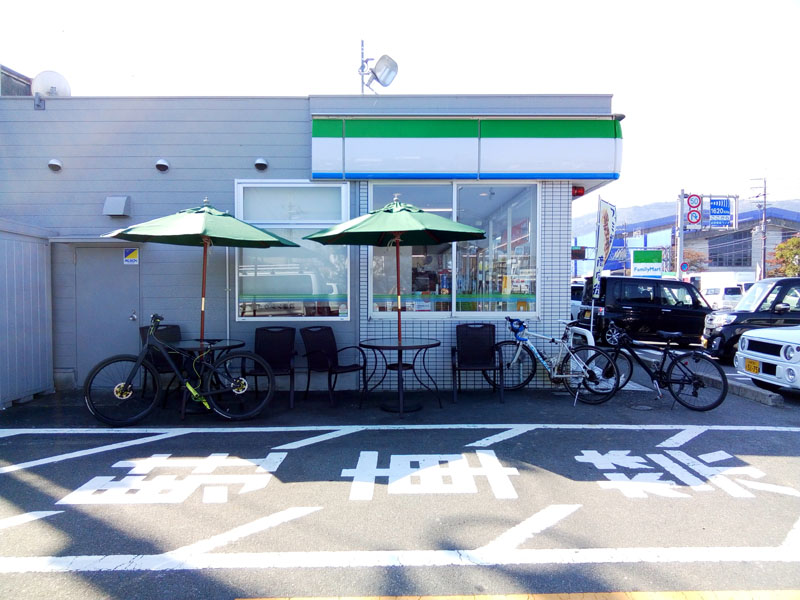
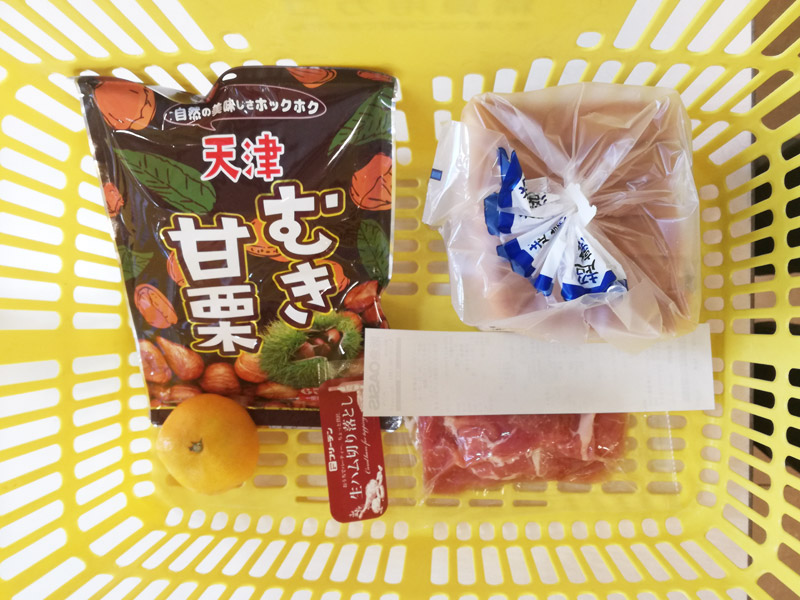
The "Konbini" (Convenience Store) is a cyclist's best friend for cheap, high-quality fuel.
Japan is a paradise for affordable, high-quality food. Whether you are grabbing a quick bite at a "Konbini" (convenience store) or sitting down for a local specialty, your money goes a long way.
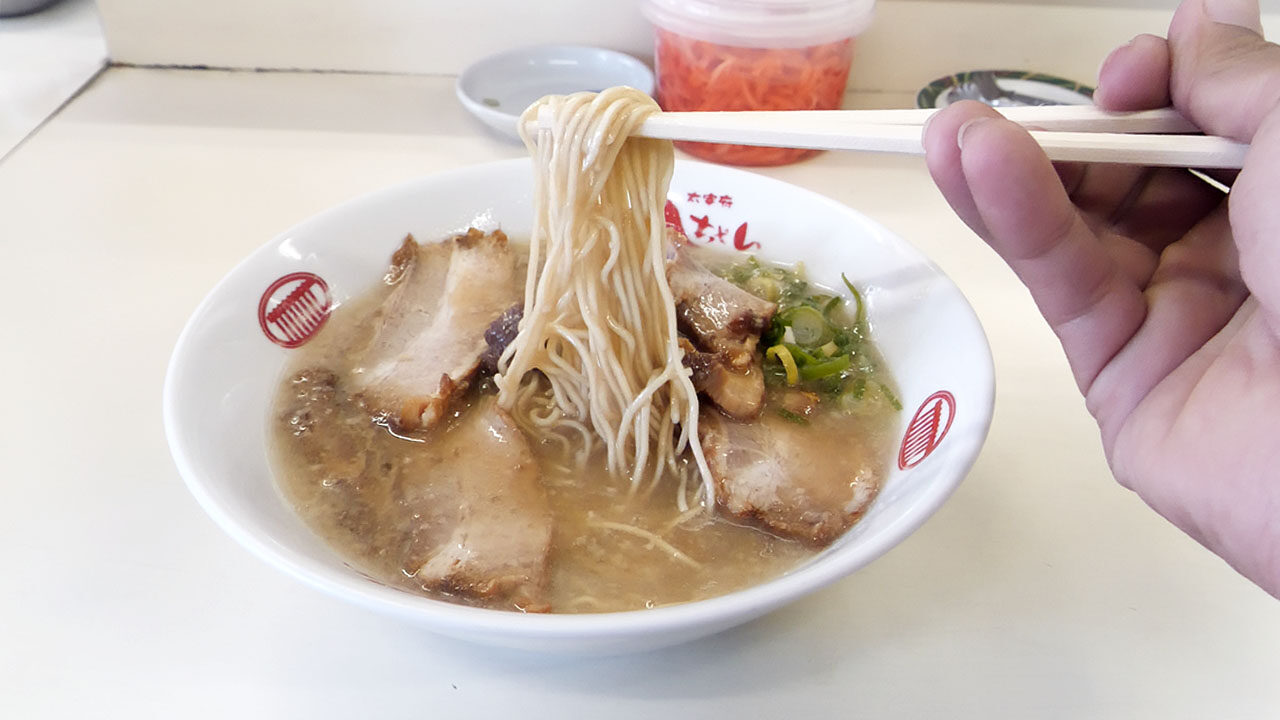
Local Soba, Ramen, or Beef Bowl: 1,000 JPY ($6.25 / €5.35)
Dinner at an Izakaya (with drinks): 3,000 - 5,000 JPY ($19 - $31 / €16 - €27)
Pro Tip: Regional variation exists. In remote areas like Okinawa, fresh produce and refrigerated items like milk (~400 JPY / $2.50) or bread can be 1.5x more expensive due to shipping costs, even if the base meal prices remain low.
2. Accommodation: From Guesthouses to Business Hotels
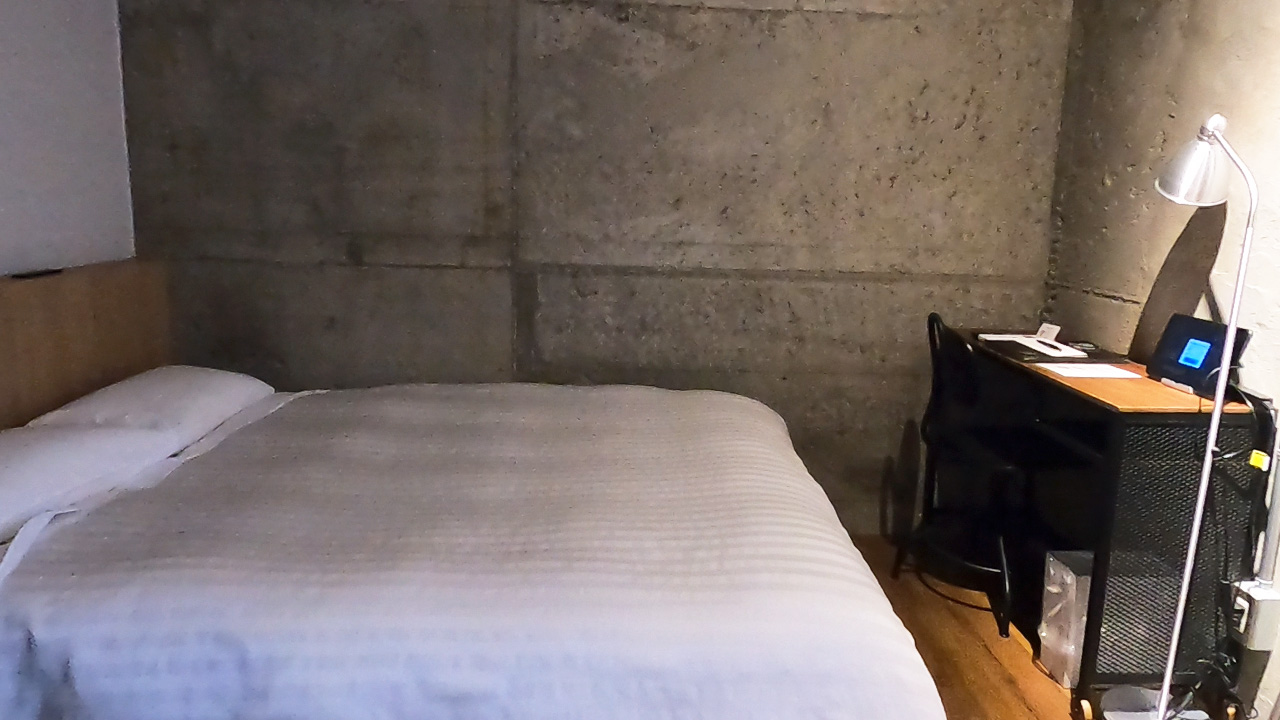
Business hotels offer exceptional cleanliness and efficiency for around $50 per night.
Accommodation in Japan is exceptionally clean and professional, even at the lowest price points.
Beyond standard travel costs, cyclists have a few unique expenses to consider in Japan.
Transportation with Your Bike
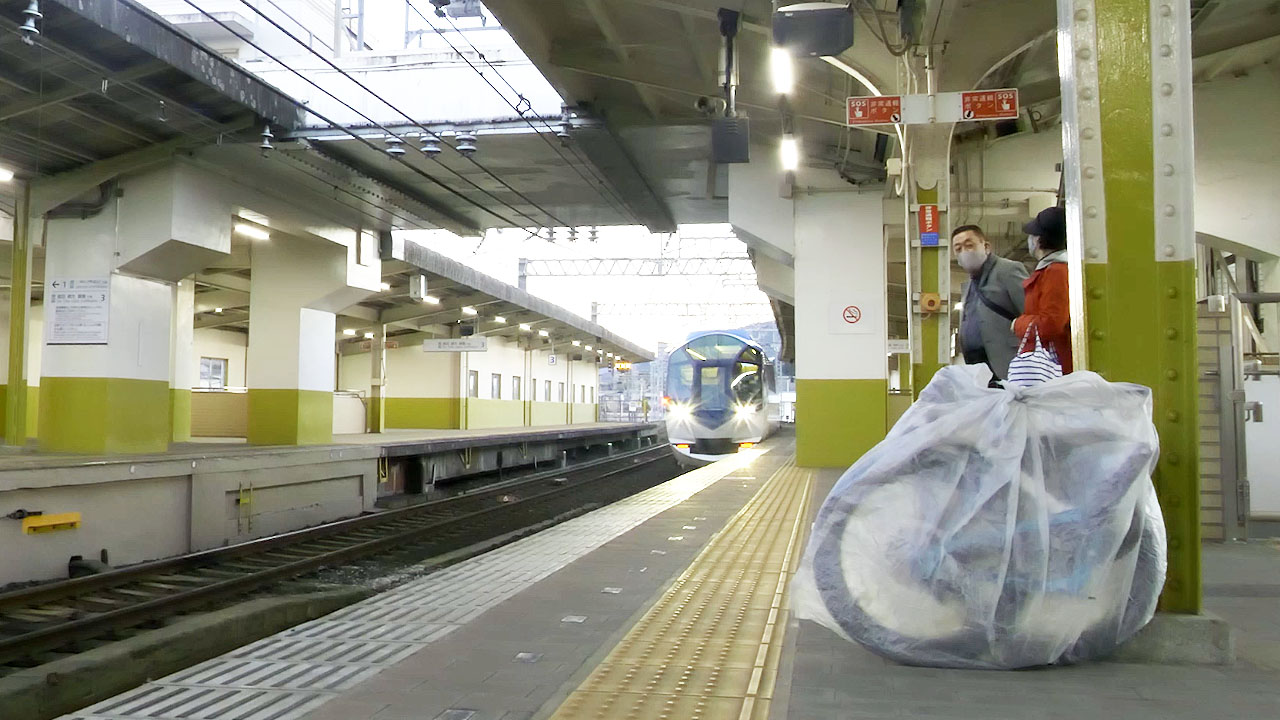
Train stations are the hubs of the Rinko (bike-in-bag) culture.
The "Rinko" system (carrying your bike in a bag on the train) is free, but you must own a Rinko bag ($40 - $60 one-time cost). For other methods:
Ferry Fee (Bicycle Surcharge): Usually 500 - 1,000 JPY ($3 - $6) depending on the route.
LCC Domestic Flights (e.g. Peach): Approx. 7,000 JPY ($44 / €37) for a one-way trip between major cities like Osaka and Okinawa. As of late 2024, some LCCs have simplified the rules for sporting equipment, making bike transport much cheaper.
Bike Rental vs. Bringing Your Own
Option
Estimated Cost
Best For...
Low-End Rental
800 - 1,500 JPY / day
City sightseeing / flat islands.
High-End MTB/Road Rental
3,000 - 6,000 JPY / day
Day trips on famous routes like Shimanami Kaido.
Bringing Your Own Bike
Free (plus airfare)
Serious multi-day touring and customized comfort.
The Cyclist's Survival Logic: Value vs. Shock
Absolute Must-Try (Max Value)
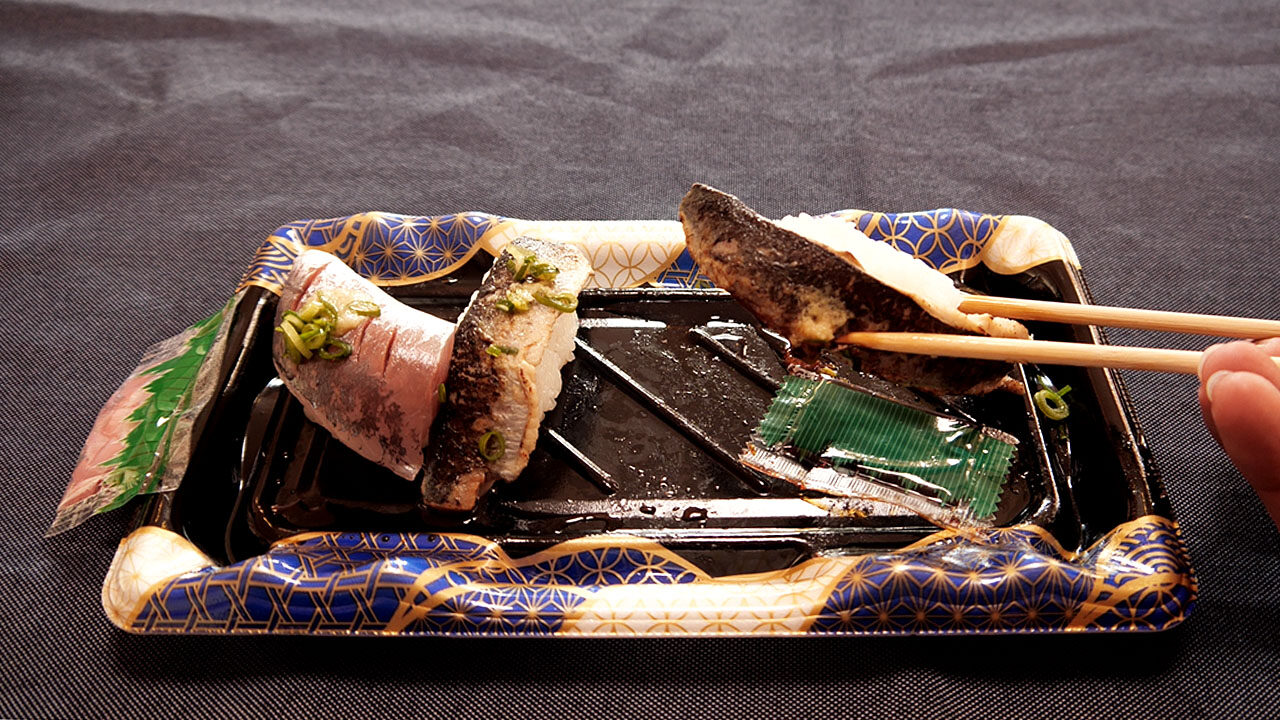
Hakata Ramen: A world-class meal for just $6.25.High-quality supermarket sushi (often $5-7).
Ramen & Soba: Even at high-end shops, a huge bowl of authentic noodles rarely exceeds $8 USD.
Supermarket Sushi: Do not underestimate the quality. After 8PM, premium packs are often half-price (500-800 JPY).
The "Price Shock" (Unexpectedly Expensive)
Western tourists are often baffled by the high cost of certain items that are cheap back home:
Delivery Pizza: A single large pizza can cost 4,000 JPY ($25+)—nearly 4x the price of a luxury ramen!
Gasoline (Petrol): For those renting support cars, expect to pay high taxes ($1.10 - $1.40 per liter).
Luxury Fruit: A single melon or a box of grapes can cost $50 - $100 due to Japan's gift-giving culture. Stick to supermarket clearance bins for your vitamin intake.
Local supermarkets offer much lower prices than convenience stores for groceries.
The "Half-Price Sticker" Strategy:
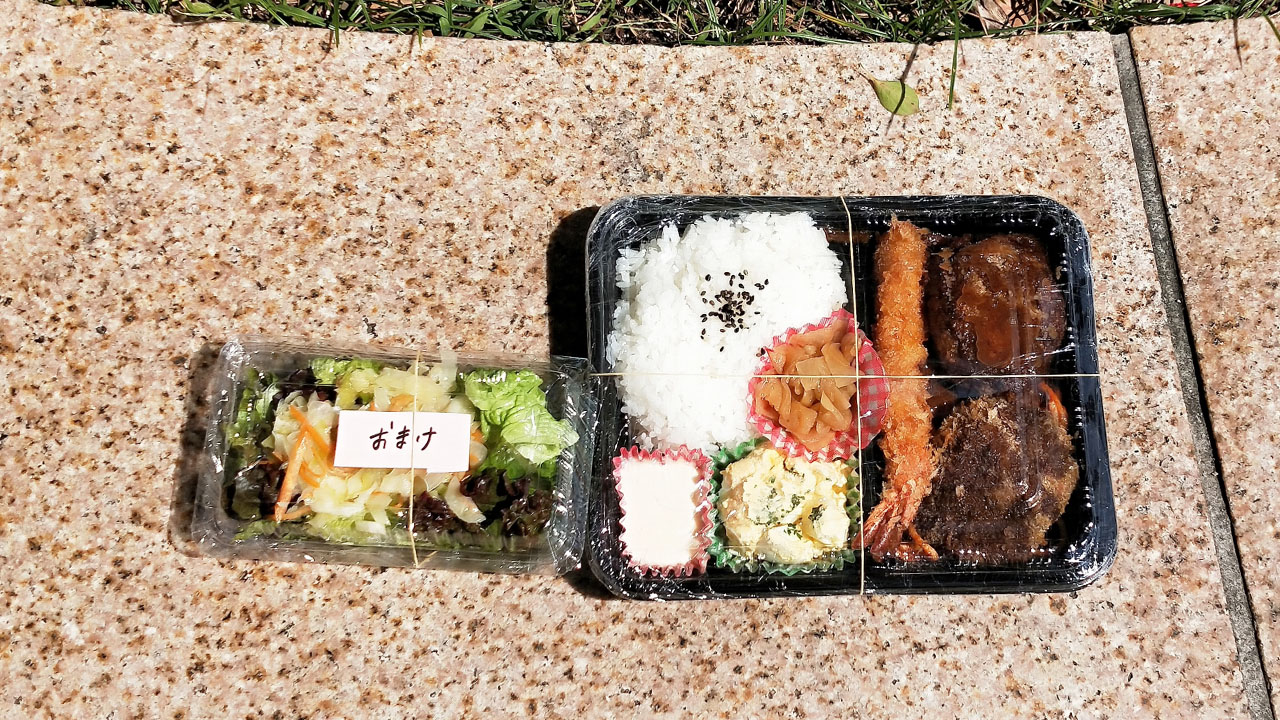
Visit local supermarkets (Aeon, MaxValu, Life) between 7:00 PM and 8:30 PM. Look for the yellow or red "Discount" (割引) stickers on bento boxes and sushi. It is the ultimate way to eat like a king on a pauper's budget.
Evening bento discounts are a legal cheat code for budget travel.
The "Infinite" Supply Chain: Vending Machines & Konbini
One thing that shocks Western cyclists more than the prices is the sheer density of infrastructure. In most countries, a long-distance ride requires careful water management. In Japan, it is almost impossible to find yourself more than a few kilometers from a cold drink.
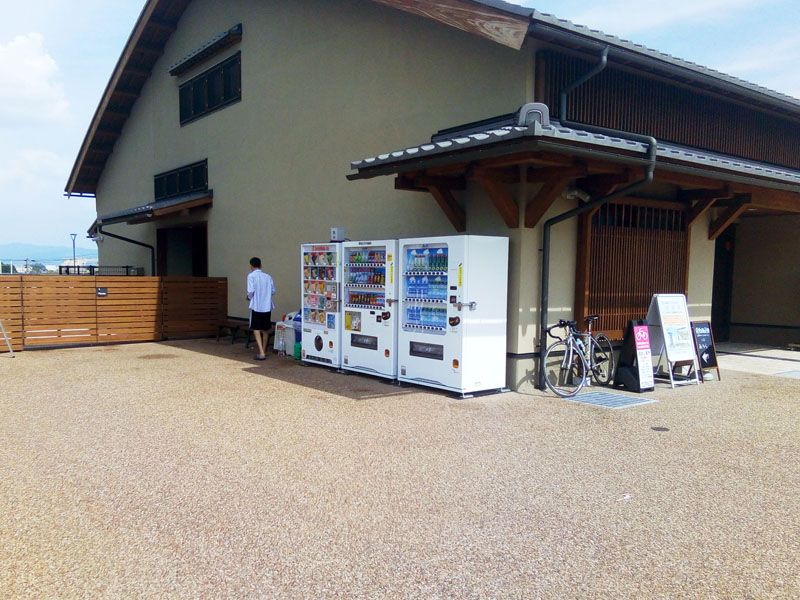
Vending machines are your primary water source on long climbs.
Vending Machines (Jidohanbaiki)
Japan has over 4 million vending machines. You will find them at the entrance of remote shrines, halfway up 20% gradient mountain passes, and on nearly every street corner. They are safe, work 24/7, and many even accept electronic payments or IC cards (Suica/Pasmo).
Cost: 130 - 180 JPY per bottle ($0.80 - $1.10).
Konbini Ubiquity
In urban areas like Osaka or Tokyo, it is common to see three or four different convenience stores (7-Eleven, FamilyMart, Lawson) at a single major intersection. For a cyclist, this means a clean restroom, high-quality calories, and an ATM are always within reach.
Summary: A Cyclist's Paradise
In 2026, Japan remains one of the most cost-effective destinations for cyclists from North America and Europe. You can survive and thrive on a daily budget of $50 - $70 USD without sacrificing comfort or safety.
A personal observation from the local:
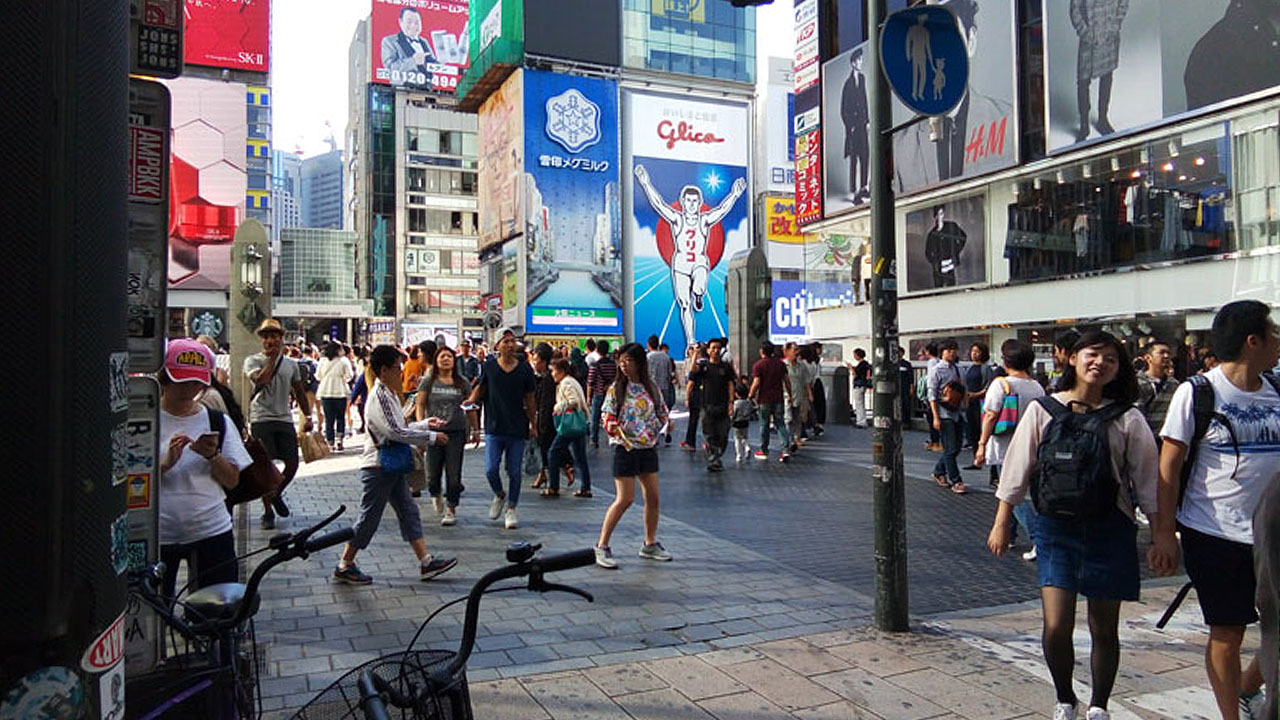
"In the streets of my hometown, Osaka, the once-dominant sound of Chinese has shifted a bit. While English remains as common as ever, I've noticed a significant uptick in people speaking French and German compared to years past."
Osaka's "Minami" district: A melting pot of global languages in 2026.
Whether you are climbing the steep hills of Kuragari Touge or enjoying the beaches of Fukuoka, the combination of high-tech infrastructure and low-cost survival makes for an unforgettable journey.
Frequently Asked Questions
Q: Is Japan still a cash-heavy society?
A: It is changing, but rural areas still prefer cash. Always carry at least 10,000 - 20,000 JPY in bills for remote mountain passes and small shrines.
Q: Can I use Western credit cards for everything?
A: In cities and convenience stores, yes. For mountain guesthouses or local ferry ports, cash is king. Use 7-Eleven ATMs to withdraw cash with your foreign card at the best rates.