Cycling in Japan: Complete Rules & Regulations Guide for Foreign Riders (2026 Edition)
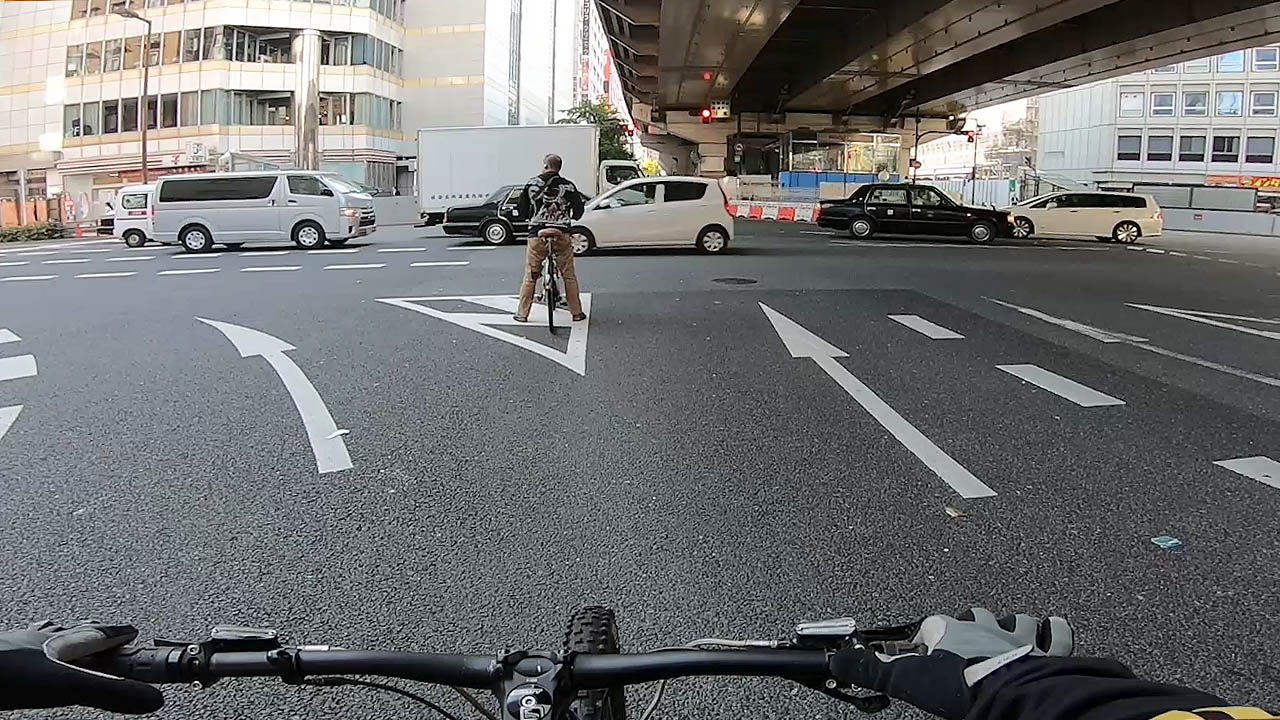
Japan offers an incredible cycling experience—flat urban areas, scenic countryside routes, and world-class infrastructure. But before you pedal off, there are some distinctly Japanese traffic rules you need to know.
This guide covers everything foreign riders need: the infamous two-stage right turn, helmet requirements (or lack thereof), parking regulations, night riding requirements, umbrella/earphone enforcement from April 2026, and common pitfalls that could land you with a fine—or worse.
Basic Traffic Rules
🚦 Core Principles
- Left-side riding: Japan drives on the left—bicycles follow the same rule
- Treat as a vehicle: Legally, bicycles are classified as vehicles (軽車両)
- Follow traffic signals: Red means stop. Always.
- No running red lights: Even if no cars are coming
📍 Road Position
- Ride on the far left side of the road
- Stay close to the curb when possible
- Avoid weaving between parked cars
- Don't ride two abreast (except in designated areas)
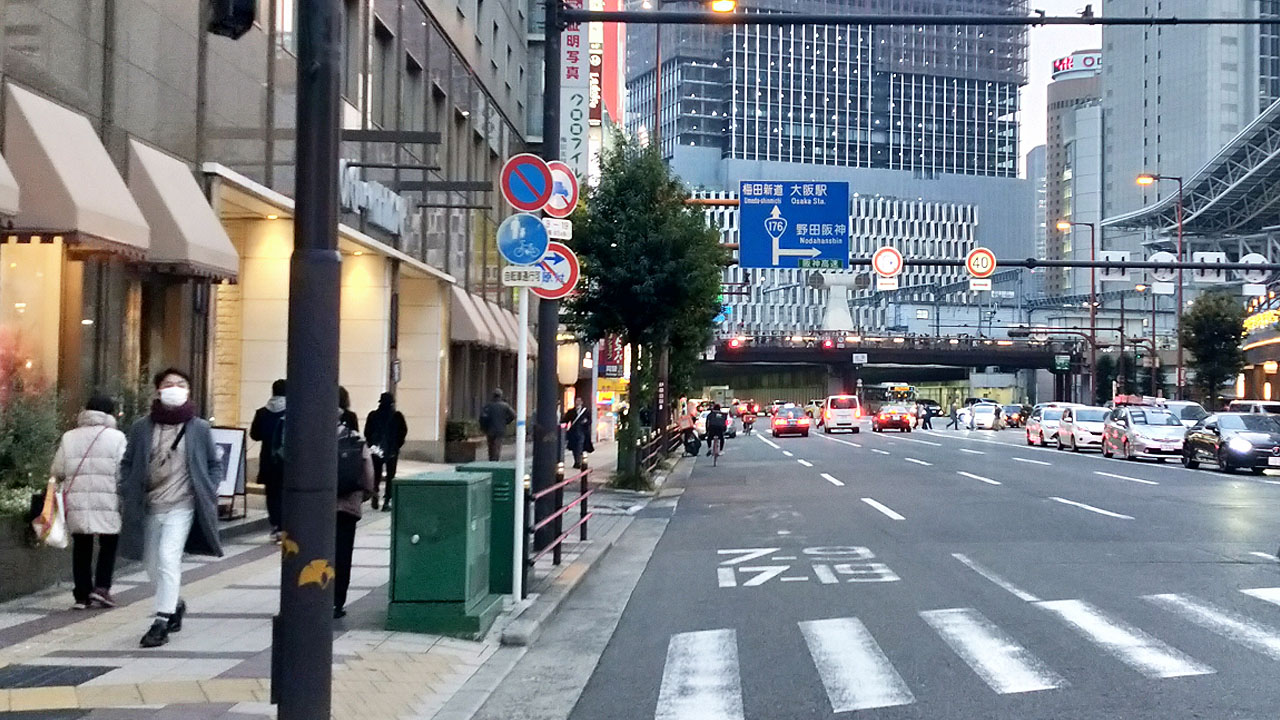
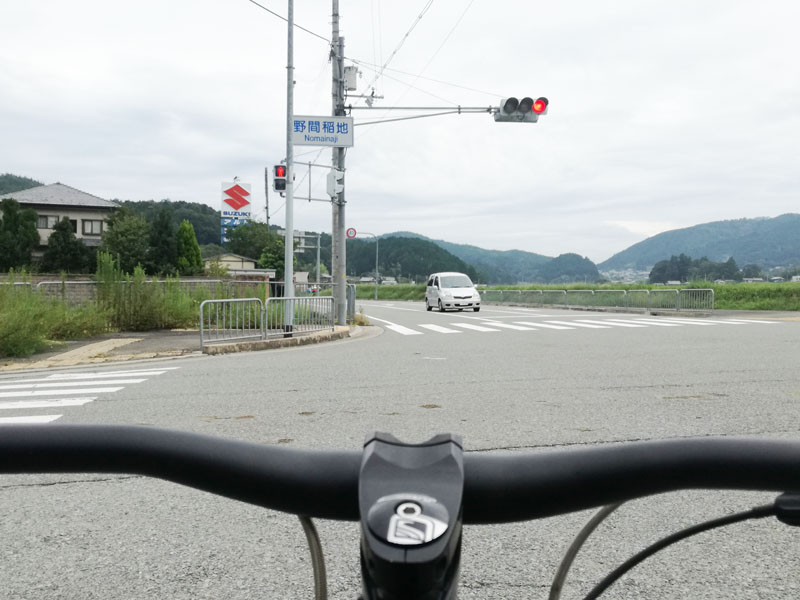
Traffic Signal Meanings (Corrected)
Understanding Japanese traffic signals is crucial for safe cycling:
| Signal Type | Meaning for Cyclists | Action Required |
|---|---|---|
| 🟢 Green (青) | Proceed if clear | You may go straight or turn (with two-stage right turn at signals) |
| 🔴 Red (赤) | Stop completely | Wait behind the stop line. Do not proceed. |
| 🟡 Yellow (黄) | "Stop if you can safely" | Pedestrians prohibited from crossing. Vehicles must stop at the line in principle. Only proceed if unable to stop safely. |
⚠️ Critical: Unlike some countries, Japan does NOT allow right-on-red turns. You must wait for green—even if no traffic is coming. Yellow means "stop if you can safely"—it's not a "go faster" signal!
The Two-Stage Right Turn (Mandatory!)
This is THE most confusing rule for foreign cyclists—and one of the most important. Let's break it down correctly.
The two-stage right turn is mandatory at major intersections with traffic lights. Violating it can result in fines up to ¥10,000.
What Is It? (Corrected Explanation)
The two-stage right turn (二段階右折 - nidan-kai uwo-se) requires cyclists to:
- Stage 1: Check for green signal facing forward, then go straight through the intersection
- Wait: Stop at the designated waiting area (usually a marked box or island) on the far side of the intersection
- Stage 2: Turn RIGHT when traffic clears and it's safe—NOT left!
What This Rule Actually Prohibits
The key point: This rule prohibits cutting diagonally across the intersection directly to the right in one motion. You must go straight first, then turn right from the waiting area.
Common Mistakes (Corrected)
- Mistake #1: Turning right directly like a car in one motion (illegal at signalized intersections)
- Mistake #2: Cutting across traffic diagonally instead of going straight first, then turning right
Equipment & Safety Requirements
✅ REQUIRED by Law
- Bell: Must be functional (not just decorative)
- Front light: White, visible from 100m ahead (night riding)
- Rear reflector: Red, visible from 50m behind
- Rear red light: Required for night riding (not just reflector)
👍 STRONGLY RECOMMENDED
- Helmet: Always a "doryoku-gimu" (effort obligation)—never mandatory, no fines
- Rear light (active): Not just a reflector—actual LED light
- Side reflectors: On wheels or pedals
- High-visibility clothing: Especially for night riding
Night Riding Requirements
Riding between sunset and sunrise requires specific equipment:
- Front white light: Must illuminate 100m ahead (not just a reflector)
- Rear red light: Active LED, visible from 50m behind
- Rear red reflector: In addition to the active light
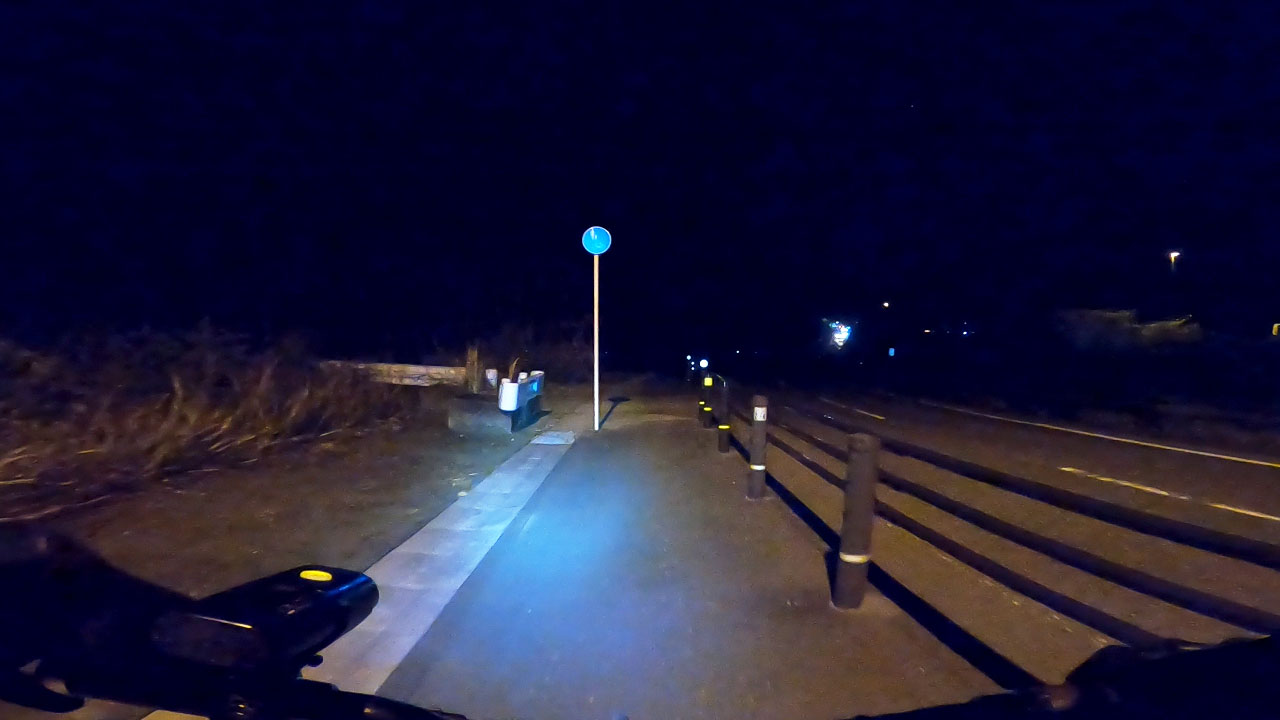
⚠️ Violation: Riding at night without proper lights = ¥10,000 fine under the 2024 reform.
Sidewalk Riding Rules
This is another area where Japan differs significantly from many Western countries—and has some unwritten rules.
Bicycles must ride on the road, NOT the sidewalk. Sidewalks are for pedestrians only.
Exceptions (When You CAN Ride on Sidewalk)
Sidewalk riding is permitted ONLY in these situations:
- Children under 13 years old
- Adults over 70 years old
- Narrow roads with heavy traffic where riding on the road is dangerous
- Explicitly permitted by signage
The Unwritten Rule: Slow Riding
In practice: While sidewalk riding is technically prohibited, slow riding is tacitly accepted at many locations. If you must ride on a sidewalk, go very slowly and yield to pedestrians always.
Pedestrian Priority
If you're legally allowed on the sidewalk (or tacitly accepted):
- Yield to pedestrians ALWAYS
- Ride slowly (walking speed recommended—jokko)
- Use your bell before passing pedestrians
- Don't ride two abreast
Bringing Bicycles on Trains
This is a critical rule for tourists planning multi-city cycling trips.
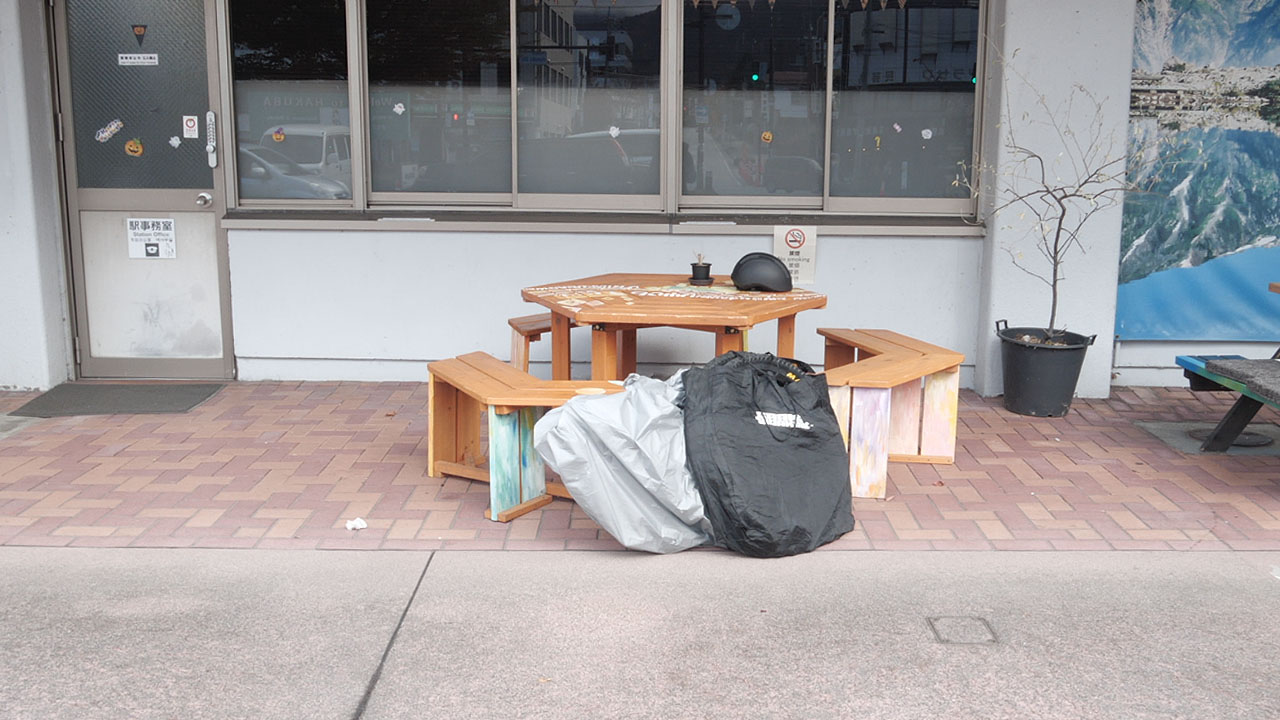
Bicycles cannot be brought onto trains as-is. You must fold your bicycle and place it in a bag to be treated as carry-on luggage.
The Rule Explained
Unlike some countries where you can bring standard bicycles on trains (sometimes with reservations), Japan has strict rules:
- Standard bicycles: NOT permitted on most train lines as-is
- Folding bicycles: Permitted ONLY if folded and placed in a bag
- Treatment: Must be treated as carry-on luggage (手荷物)
Smartphone, Umbrella & Earphone Laws (April 2026 Reform)
Japan has cracked down HARD on these violations in recent years—and strengthened enforcement further from April 2026.
New enforcement targets added: Holding umbrellas while cycling AND wearing earphones/headphones.
📱 Smartphone While Cycling
- Holding phone: ILLEGAL (texting, calling, navigation)
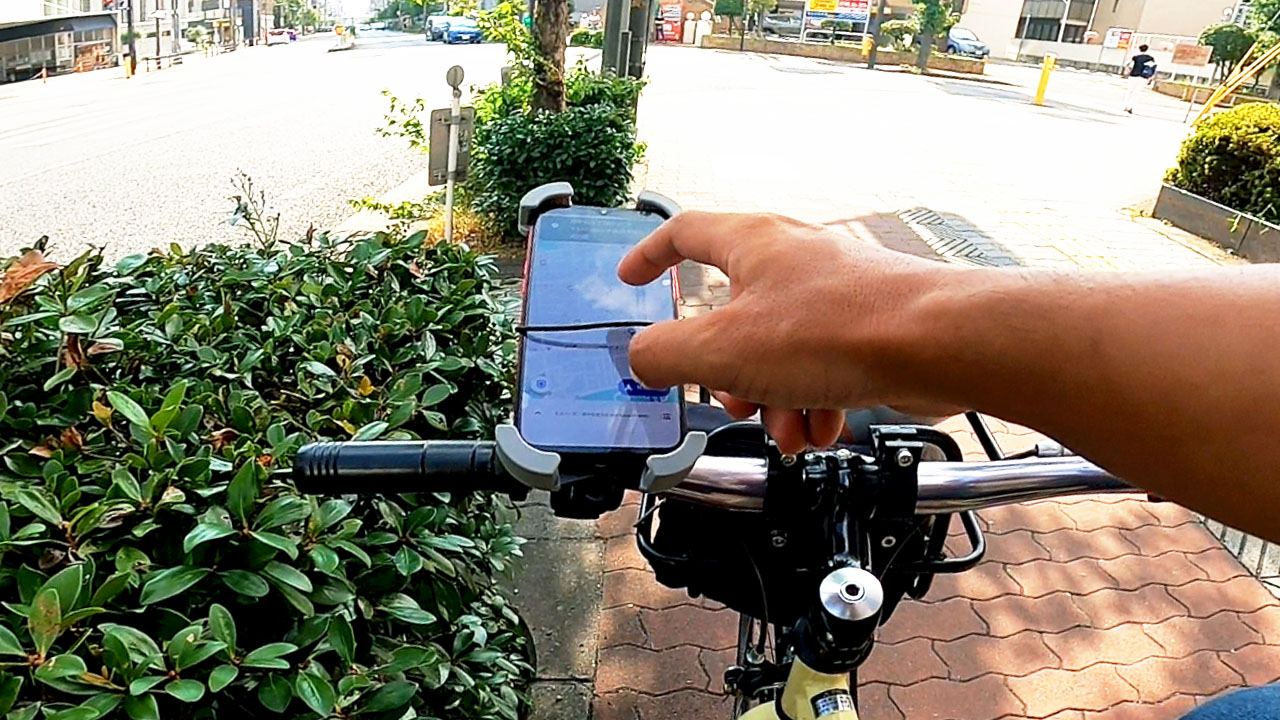
- Hands-free: Permitted if mounted properly on bike
☂️ Holding Umbrella While Cycling (NEW 2026)
- Holding umbrella: ILLEGAL from April 2026
- Reason: Blocks vision, reduces control
🎧 Wearing Earphones/Headphones (NEW 2026)
- Both ears covered: ILLEGAL from April 2026
- One ear open: Grey area—use caution
🍺 Drunk Cycling (Drunk Driving)
- BAC limit: Same as cars—0.03% or higher
- Penalty: Up to ¥500,000 fine OR imprisonment up to 3 years
- License impact: Can lose car driver's license too!
Smartphone Navigation Tips
You CAN use navigation—just not by holding your phone:
Rain Riding Tips (Post-2026)
Since holding umbrellas is now illegal:
- Rain jacket with hood: Best option
- Bike-mounted umbrella: Some exist but check local rules
- Waterproof gear: Pants, shoe covers, bag cover
- Plan around weather: Check forecasts before long rides
Drunk Cycling Reality Check
This is serious: Japan treats drunk cycling the same as drunk driving. Police conduct random checks, especially on weekends and holidays. You can lose your car driver's license for a bicycle violation.
| BAC Level | Status | Penalty Range |
|---|---|---|
| 0.03% - 0.15% | Warning level | ¥100,000-300,000 or up to 1 year prison |
| 0.15%+ | Severe violation | ¥300,000-500,000 or up to 3 years prison |
For tourists: If you plan to drink in the evening, don't cycle home. Use trains, taxis, or walk.
Fines & Penalties (April 2026 Strengthening)
In April 2024, Japan introduced a major reform to bicycle traffic enforcement. From April 2026, penalties were further strengthened with new violations added.
• April 2024: Direct fines issued on the spot (no court needed)
• April 2026: Umbrella holding & earphone wearing added as violations
• Ongoing: Stricter enforcement of existing laws
• Blue ticket system for minor offenses
Fine Schedule by Violation (Updated)
| Violation | Maximum Fine | Imprisonment? | Note |
|---|---|---|---|
| Riding without lights at night | ¥10,000 | No | - |
| Sidewalk riding (illegal) | ¥10,000 | No | - |
| Holding umbrella while cycling | ¥10,000 | No | NEW April 2026 |
| Wearing earphones (both ears) | ¥10,000 | No | NEW April 2026 |
| Running red light | ¥30,000 | Up to 6 months | - |
| Using smartphone while cycling | ¥30,000 | Up to 6 months | - |
| Drunk cycling (BAC 0.03%-0.15%) | ¥300,000 | Up to 1 year | - |
| Drunk cycling (BAC 0.15%+) | ¥500,000 | Up to 3 years | - |
| Causing accident while drunk | ¥1,000,000+ | Up to 15 years | - |
Tips for Foreign Riders
🎒 Practical Tips
- Bring a bell: Required by law, useful for alerting pedestrians
- Carry lights: Even if riding during day—sunset comes early in winter
- Learn basic Japanese: "Sumimasen" (excuse me) goes a long way
- Download offline maps: Data roaming can be expensive
- Folding bike recommended: For train travel between cities
🚨 Safety Tips
- Avoid rush hour: 7-9 AM and 5-7 PM are chaotic
- Watch for delivery scooters: They weave through traffic unpredictably
- Be visible: Wear bright colors, especially at night
- Lock your bike: Bicycle theft exists in Japan too
- No umbrella while cycling: Use rain gear instead (April 2026 rule)
Recommended Apps & Resources
- Google Maps: Works well for cycling routes in Japan
- Cycle Navigator: Detailed cycling-specific routing
- Japan Cycling Info (English): https://en.japan-cycling-info.com/
Emergency Numbers
- Polyce (non-emergency): 110
- Ambulance/Fire: 119
Quick Reference Summary
📋 MUST KNOW (Top 5)
- Ride on the left—Japan drives on the left side
- Two-stage right turn mandatory at signalized intersections (go straight, wait, turn RIGHT)
- No sidewalk riding (except children <13, elderly >70)—but slow riding tacitly accepted
- Lights required at night—front white + rear red active lights
- No holding phone/umbrella, no earphones (both ears) while cycling
Final Thoughts
The good news: Japan is generally very cyclist-friendly with flat urban areas, dedicated bike lanes in many cities, and a culture that respects traffic rules.
The challenge: Some rules (like the two-stage right turn) take getting used to. Plus new enforcement from April 2026 means umbrella holding and earphone wearing are now violations. But once you understand them, cycling in Japan becomes an incredibly rewarding experience.
Frequently Asked Questions
What is the two-stage right turn in Japan?
The two-stage right turn (二段階右折) requires cyclists to first go straight through a signalized intersection, stop at a designated waiting area on the far side, then turn RIGHT when traffic clears. This mandatory rule prevents dangerous diagonal cuts across intersections.
Is bicycle helmet use mandatory in Japan?
No—helmet use is always a "doryoku-gimu" (effort obligation/recommended) for all riders. It is never legally mandatory, and there are no fines for not wearing one. However, it's strongly recommended for safety.
Can I ride my bicycle on sidewalks in Japan?
Generally no—bicycles must use the road. However, slow riding (jokko) is tacitly accepted in practice at many locations. Exceptions include children under 13 or adults over 70, narrow roads with heavy traffic, or when explicitly permitted by signage.
What are the penalties for cycling violations in Japan?
Japan strengthened enforcement from April 2026. Common violations include: riding without lights at night (¥10,000), using a smartphone while cycling (¥30,000), holding an umbrella while cycling (new in 2026, ¥10,000), wearing earphones (new in 2026, ¥10,000). Drunk cycling penalties up to ¥500,000 or imprisonment.
Can I bring my bicycle on trains in Japan?
No—bicycles cannot be brought onto trains as-is. You must fold your bicycle and place it in a bag to be treated as carry-on luggage. Standard bicycles are not permitted on most train lines.